


Choosing the Right Tanker Trailer
This comprehensive guide helps fleet managers and logistics professionals select the correct tanker trailer by mastering the three non-negotiable factors.
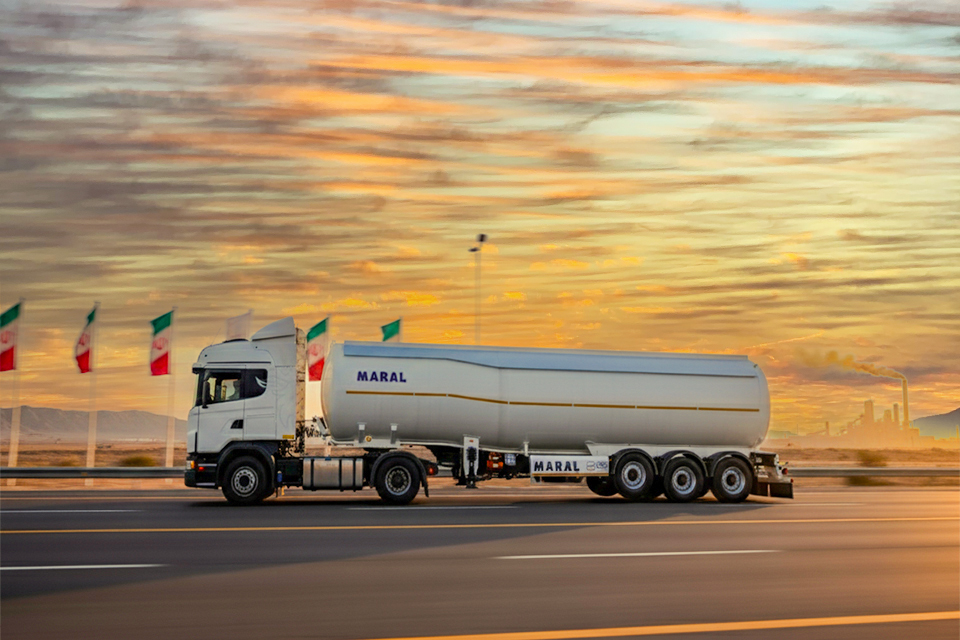
Choosing the Right Tanker Trailer: Capacity, Materials, and Chemical Compliance (DOT Regulations)
In the world of bulk liquid logistics, a tanker trailer isn't just a piece of equipment; it's a specialized vessel demanding precision engineering and uncompromising compliance. For fleet managers and transport operators, the decision to purchase or lease the right tanker can mean the difference between a profitable contract and a costly regulatory fine, or worse, a dangerous incident. Getting the specification right is complex—it involves navigating a dense intersection of engineering limits, material science, and strict government mandates.
This guide serves as your essential roadmap to master the three non-negotiable pillars of tanker selection. We will dive deep into how to calculate the most efficient capacity based on product density, the vital role of material science in choosing between aluminum and stainless steel, and the absolute necessity of adhering to US Department of Transportation (DOT) chemical compliance codes. By focusing on these core factors, you can ensure your next investment maximizes payload, guarantees safety, and remains fully compliant from the first mile to the last.

Save Time & Money: Ensure you get the most value from your investment. Read the Full Commercial Trailer Guide.
Capacity: The Critical Balance Between Volume and Weight
The first and most critical step in selecting a trailer is accurately calculating the necessary tanker capacity. This is not a simple volume equation; tanker capacity is a precise function of the tank's volume (measured in gallons or liters) and the density of the product you are hauling. The golden rule is that the total Gross Vehicle Weight Rating (GVWR)—which includes the weight of the truck, the empty trailer (tare weight), and the maximum cargo—must never exceed regional legal weight limits.
Key Capacity Considerations: Weight, Volume, and Density
To maximize payload and stay compliant, fleet operators must focus on the cargo's specific gravity:
- Product Density (Specific Gravity): This is the single most important factor.
- High-Density Liquids: A dense liquid (like heavy crude oil, molasses, or high-concentration acids) has a high specific gravity. It will fill a smaller volume before reaching the maximum legal weight limit. This dictates the need for a smaller volume tank (e.g., 5,000–7,000 US gallons) to maximize maximum payload capacity while adhering to axle load restrictions.
- Low-Density Liquids: Lighter products (like gasoline, ethanol, or aviation fuel) have a low specific gravity. These liquids allow for larger tank volumes (e.g., 10,000–11,600 US gallons) because the maximum weight limit is reached at a much higher volume.
- Legal Weight Limits & Axle Configurations: Tanker capacity must be engineered to distribute the total load across the axles efficiently. Variations in axle count (tandem, tri-axle) and regional road laws directly influence the usable capacity. Operators must consider the tare weight (empty weight) of the trailer construction material (e.g., lightweight aluminum vs. heavy-duty steel) to maximize the payload allowance.
Have questions or need expert consultation? Call us today!
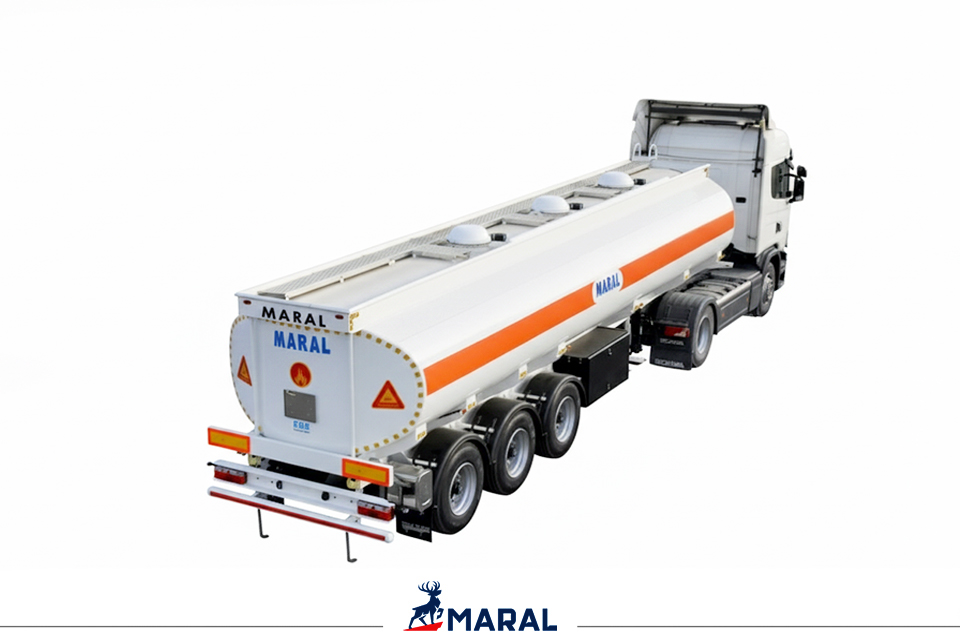
Controlling the Load: Baffles, Bulkheads, and Head Space
Internal tank design is crucial for safety and flexibility:
Compartments (Bulkheads): These are full internal divisions that create separate, sealed sections within the tank. They are essential for:
- Hauling different products simultaneously (e.g., three grades of gasoline).
- Allowing for smaller, phased deliveries (managing partial loads).
Baffles: These are partial internal dividers that reduce the liquid surge (sloshing) and front-to-back movement of the cargo during acceleration, braking, and cornering, which is a major safety concern for liquid bulk transport.
Outage (Head Space): Federal regulations require leaving a specific percentage of unfilled space (outage) at the top of the tank. This space is mandatory to allow for liquid expansion due to temperature changes and prevent dangerous overfilling or structural damage from hydraulic pressure.
Materials: Matching the Tanker to the Cargo
The choice of construction material is paramount, as it must be compatible with the cargo to prevent corrosion, contamination, and structural failure. The wrong material can lead to dangerous chemical reactions or expensive cargo loss.
|
Tanker Material |
Best For |
Key Properties & SEO Keywords |
|
Aluminum |
Fuel, light oils, dry bulk (e.g., grain, plastic pellets) |
Lightweight construction, excellent fuel efficiency, high resistance to common petroleum products. |
|
Stainless Steel |
Corrosive chemicals, food-grade liquids (milk, wine, juice), pharmaceuticals |
Superior corrosion resistance, sanitary transport (meets FDA/3A standards), durable. Used for chemical tanker manufacturing. |
|
Carbon Steel |
Asphalt, crude oil, pressurized gases (requires thicker walls). |
High structural strength, cost-effective, often insulated or heated for hot product tankers (e.g., bitumen/asphalt). |
|
Lined Steel / FRP |
Highly corrosive acids (Sulfuric, Hydrochloric). |
Specialized internal linings for corrosive acids, prevents metal reaction. |
Chemical Compliance and DOT Specifications
Transporting bulk liquids, especially hazardous materials (HAZMAT), is heavily regulated. In the United States, the Department of Transportation (DOT) sets stringent rules, classifying cargo tankers based on the materials they are designed to haul. Choosing the correct DOT specification is not optional—it is mandatory legal compliance.
|
DOT / MC Code |
Material Carried (Cargo Class) |
Key Features & Pressure Rating |
|
DOT 406 |
Flammable Liquids (e.g., gasoline, diesel, Jet Fuel). |
Non-pressurized (up to 4 PSI), usually aluminum, rollover protection. Most common fuel tanker. |
|
DOT 407 |
Mild Corrosives, Solvents, Flammable Liquids (medium density). |
Low-pressure (up to 40 PSI), often stainless steel, insulation, or internal coils. Versatile chemical trailer. |
|
DOT 412 |
Highly Corrosive Liquids (e.g., concentrated acids). |
High-pressure/high-corrosion resistance, reinforced structure, often features a heavy-duty internal lining. |
|
MC 331 |
Liquefied Compressed Gases (e.g., Propane, Butane, Anhydrous Ammonia). |
High-pressure design (over 250 PSI), thick carbon steel walls. |
Conclusion
The complexities of bulk liquid transport ultimately converge on a single point: the correct specification of your tanker trailer. As we've established, choosing the right vessel goes far beyond simply estimating volume. It requires a strategic and technical assessment that integrates legal weight limits with the unique physical properties and chemical hazards of your cargo.

By diligently matching the tanker's capacity to the product's density, selecting the right construction material (be it corrosion-resistant stainless steel for acids or lightweight aluminum for fuel), and ensuring the unit carries the proper DOT certification (406, 407, 412, MC 331), you are not just making a purchase; you are making an investment in operational excellence and safety leadership. Master these three pillars, and you master the bulk hauling business.
Faq
Top Articles
Modern Technologies Revolutionizing Trailer Axle Manufacturing
Modern trailer performance relies on advanced axles. We explore innovations in axle production that enhance fuel economy, reduce maintenance, and ensure superior road safety.
Brake Battle: Disc vs. Drum
Compare Disc Brakes vs Drum Brakes for heavy-duty vehicles. Understand pros, cons, and impact on performance, safety.
Your Ultimate Guide to Trailer Axle Types and Technical Specs
Trailer axles are the unsung heroes of heavy-duty transportation, directly impacting safety, load capacity, and operational efficiency. Choosing the wrong axle type can lead to costly downtime and compromised performance.