


Modern Technologies Revolutionizing Trailer Axle Manufacturing
Modern trailer performance relies on advanced axles. We explore innovations in axle production that enhance fuel economy, reduce maintenance, and ensure superior road safety.
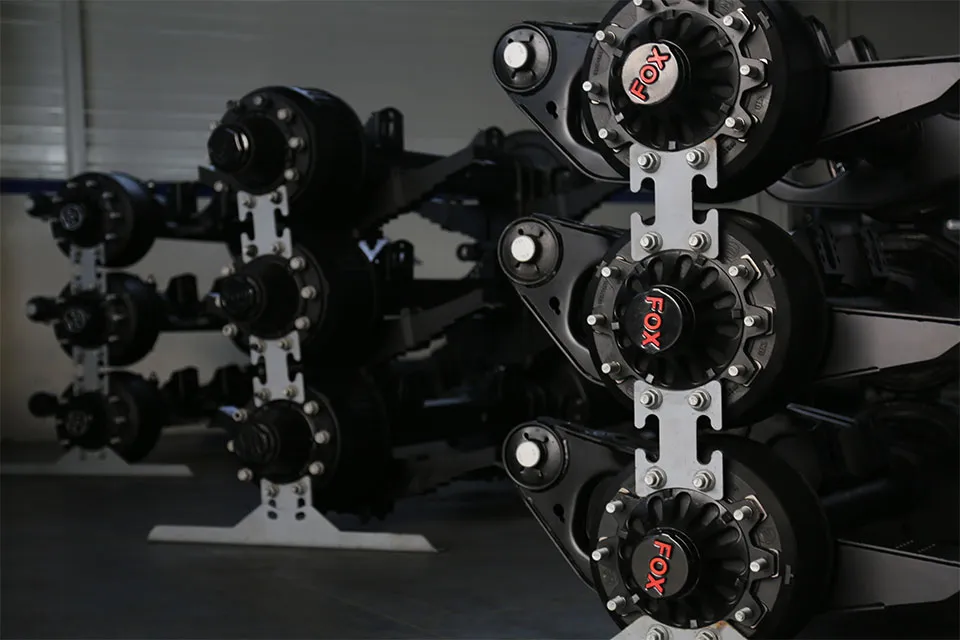
The Paradigm Shift in Heavy-Duty Transportation
The logistics and heavy haulage industry is currently undergoing its most significant transformation since the invention of the semi-trailer. Modern transport demands not just capacity and durability, but intelligence, efficiency, and sustainability. The humble trailer axle, once a purely mechanical component, is now a sophisticated piece of engineering, integrating electronics, advanced materials, and smart control systems.
Maral Sanat Javid, recognizing this shift, is committed to integrating these cutting-edge technologies into our product line. The goal is clear: to reduce the Total Cost of Ownership (TCO) for our clients while significantly enhancing the safety and operational efficiency of every trailer we manufacture.
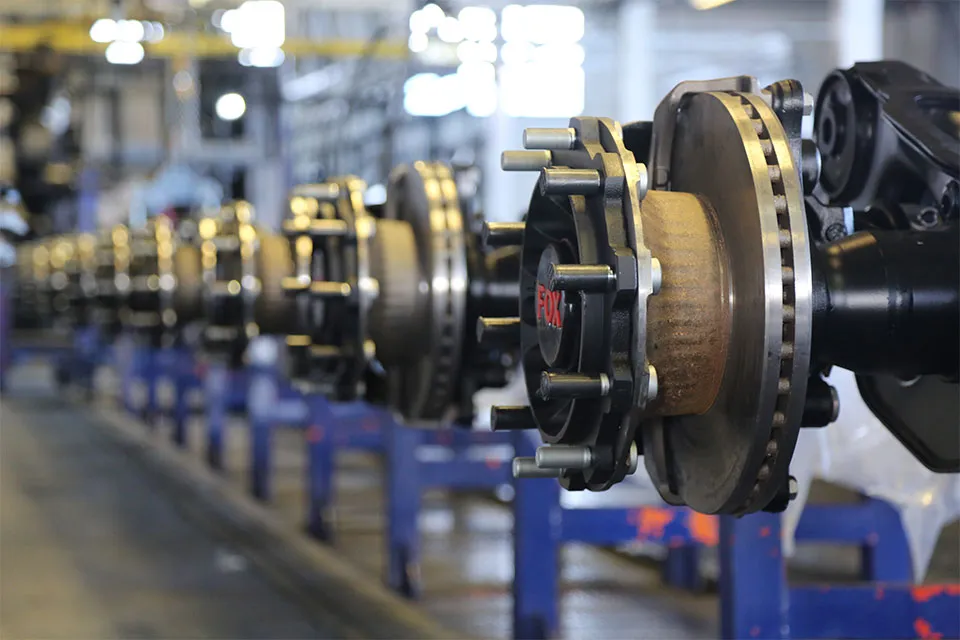
Electrified Axles: The Dawn of the E-Trailer
The most groundbreaking innovation in trailer axle technology is the integration of electrification. Electrified axles (E-Axles) are not just about reducing emissions; they are about energy management and improving overall fleet performance.
Energy Harvesting and Regeneration
Modern E-Axles incorporate sophisticated generators within the axle assembly. When the trailer brakes or descends a hill, this system captures the kinetic energy that would otherwise be lost as heat. This process, known as regenerative braking, converts the energy into electricity, storing it in an on-board battery pack.
- Fuel Savings: The stored energy can be used to assist the tractor unit, significantly reducing the fuel consumption of the diesel engine, particularly in stop-and-go traffic or challenging topographies. Reports suggest potential fuel savings of up to 10-20% on certain routes, making the E-Axle a crucial component for any fuel-efficient trailer.
- Emission Reduction: By reducing the load on the tractor's engine, the overall carbon footprint of the heavy-duty trailer combination is substantially lowered, aligning with global sustainability mandates.
Traction Assistance
In adverse conditions—such as slippery roads, steep inclines, or during slow maneuvering—the E-Axle can selectively deploy its stored power to provide temporary traction support. This feature is invaluable for preventing wheel spin and ensuring the smooth, continuous movement of the trailer and its valuable cargo.
Advanced Materials and Manufacturing Processes
To achieve the demanding balance between strength, durability, and low weight, trailer axle manufacturers have turned to advanced metallurgy and high-precision production techniques.
High-Strength, Low-Alloy (HSLA) Steels
The use of HSLA steel allows for the design of thinner-walled axle beams that maintain or even exceed the load-bearing capacity of older, heavier designs. This lightweighting effort directly contributes to an increased payload capacity for the trailer and reduces the unladen weight, saving fuel on empty hauls.
Optimized Beam Cross-Sections: Engineers now use complex Finite Element Analysis (FEA) to design axle beams with specific cross-sections (like rectangular or trapezoidal) that distribute stress more effectively, leading to greater durability.
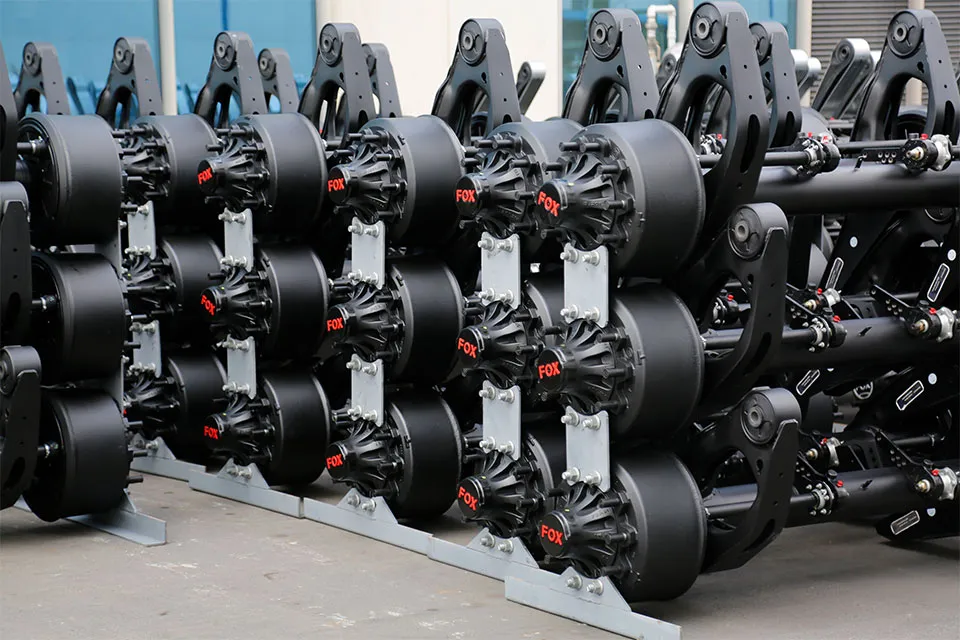
Automated and Precision Manufacturing
The quality and longevity of a trailer axle depend heavily on manufacturing precision.
- Robotic Welding: Fully automated, robotic welding ensures consistent, high-quality seams for the critical connection points, eliminating human error and drastically increasing the fatigue life of the trailer component.
- Induction Hardening: Modern axle spindles are subjected to precise induction heat treatment to create a hard, wear-resistant surface while maintaining a tough, flexible core, thus preventing sudden failure.
- Advanced Corrosion Protection: Utilizing processes like KTL (Cathodic Dip Coating) and specialized Dacromet coatings provides a superior, long-lasting barrier against rust and environmental damage, extending the life of the trailer structure in harsh operating environments.
Smart Suspension and Control Systems
The interaction between the axle and the chassis has been revolutionized by pneumatic (air) suspension and electronic controls.
Intelligent Air Suspension Systems
Modern air suspension systems offer more than just a smooth ride; they are actively managed by the EBS (Electronic Braking System) and telematics units.
- Load Sensing and Distribution: The system constantly monitors the air pressure in the bellows to accurately determine the load distribution across all trailer axles. This data can be used to prevent overloading and ensure compliance.
- Auto-Leveling and Docking Aid: Air suspensions can be automatically raised or lowered to match the height of different loading docks, significantly speeding up the logistics process and reducing strain on personnel.
Self-Steering and Lift Axles
For multi-axle trailers (tandem, tridem, or specialized heavy haul units), maneuverability and tire wear are major concerns.
- Self-Steering Axles: These mechanical or hydraulic systems allow the wheels of the trailer to steer dynamically, reducing scrubbing forces in tight corners. This single innovation can double the lifespan of the trailer's tires, leading to substantial operational cost savings.
- Automatic Lift Axles: Equipped with smart sensors, lift axles automatically raise when the trailer is unladen or lightly loaded. This reduces rolling resistance, saves fuel, and minimizes wear on the tires and brake components of the unused axle.
Digital Monitoring and Predictive Maintenance
The integration of IoT (Internet of Things) sensors has turned the trailer axle into a data-gathering hub, ushering in the age of predictive maintenance.
Integrated Sensor Technology
Modern axles are now commonly equipped with sensors that track key performance indicators:
- Hub Temperature Monitoring: Sensors can detect excessive heat in the wheel hub bearings, which is often the first sign of impending bearing failure.
- Brake Pad Wear: Electronic systems provide real-time updates on brake pad and disc condition, allowing fleet managers to schedule maintenance precisely when needed, avoiding costly roadside breakdowns.
Telematics Integration
All the data collected by the trailer axle sensors is transmitted via telematics to the fleet management system. This enables predictive maintenance, where technicians can replace a component (like a bearing or brake rotor) just before it fails, maximizing the operational uptime of the trailer. This proactive approach is a major leap forward from traditional time-based or reactive maintenance.
Deep Dive into Braking Technology: Don't miss our comprehensive analysis in Brake Battle: Disc vs. Drum!

Conclusion: Maral Sanat Javid and Your Fleet's Future
The technological advancements in trailer axle manufacturing are not just marginal improvements; they represent a fundamental change in how heavy transportation operates. From electric drive assist and precise material science to digital health monitoring, these innovations ensure that modern trailers are safer, more efficient, and more reliable than ever before.
At Maral Sanat Javid, we integrate these advanced axle technologies to ensure that every trailer leaving our facility is equipped to handle the rigorous demands of the global logistics industry while delivering unparalleled longevity and the lowest possible operational costs for your fleet.
Faq
Top Articles
Modern Technologies Revolutionizing Trailer Axle Manufacturing
Modern trailer performance relies on advanced axles. We explore innovations in axle production that enhance fuel economy, reduce maintenance, and ensure superior road safety.
Brake Battle: Disc vs. Drum
Compare Disc Brakes vs Drum Brakes for heavy-duty vehicles. Understand pros, cons, and impact on performance, safety.
Your Ultimate Guide to Trailer Axle Types and Technical Specs
Trailer axles are the unsung heroes of heavy-duty transportation, directly impacting safety, load capacity, and operational efficiency. Choosing the wrong axle type can lead to costly downtime and compromised performance.