


Brake Battle: Disc vs. Drum
Compare Disc Brakes vs Drum Brakes for heavy-duty vehicles. Understand pros, cons, and impact on performance, safety.
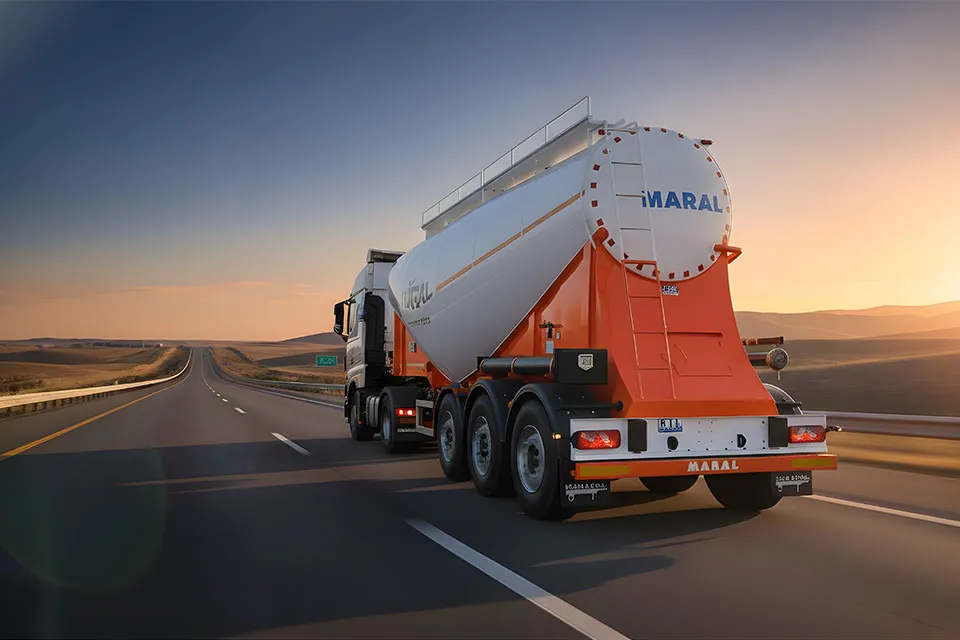
Disc Brakes vs. Drum Brakes: Pros and Cons of the Two Stopping Giants in the Transportation Industry
The braking system is the most critical safety component of any vehicle, especially within the heavy and semi-heavy sectors. The choice between Disc Brakes and Drum Brakes on the axles of trucks, trailers, and buses is a key technical decision that directly impacts performance, safety, maintenance costs, and the operational life of a fleet. In this comprehensive article, we will delve into the structure, advantages, and disadvantages of both systems.
Drum Brakes: The Pioneers of the Braking Industry
Drum Brakes are the older braking systems that served as the industry standard for decades. These systems consist of a cylindrical brake drum that rotates with the wheel and two brake shoes (linings) located inside it.
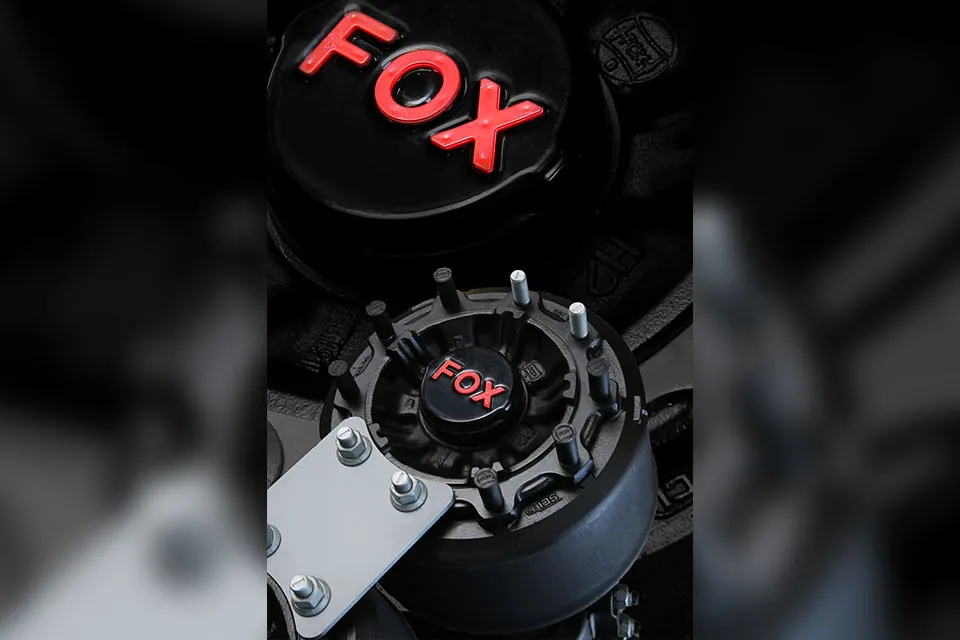
Structure and Function of the Drum Brake
In a Drum Brake system, when the brake pedal is depressed, hydraulic or pneumatic force (in heavy-duty trucks) is transmitted to a wheel cylinder. This cylinder forces the brake shoes outwards, pressing them against the inner surface of the rotating brake drum. The friction created between the shoe lining and the drum slows down the wheel, causing the vehicle to stop or decelerate.
Key Advantages of Drum Brakes
- High Braking Power (Self-Actuation Effect) in Heavy Vehicles: The specific design of the Drum Brake is such that during braking, the rotation of the drum assists the shoe opening process, multiplying the friction force. This phenomenon, known as the "self-actuation effect," allows a very high stopping force to be generated with relatively low initial effort. This characteristic is crucial for stopping the massive weight and load carried by heavy-duty trucks and trailers.
- Lower Production and Maintenance Costs: Generally, the structure of the Drum Brake is simpler. Its components (drum, shoes, springs, and wheel cylinder) are typically less expensive than the advanced discs, calipers, and pads of a disc brake system. This structural simplicity reduces initial production costs as well as long-term maintenance expenses for fleet operators.
- High Protection Against Environmental Factors: The enclosed design of the Brake Drum largely shields the friction components (shoes and drum) from the penetration of water, dust, dirt, and oil. This advantage is particularly important for heavy-duty vehicles operating in dusty environments, construction sites, or areas with humid climates.
- Better Performance as a Parking Brake: Due to the large contact area of the shoes, Drum Brakes usually provide a much more effective mechanism for the mechanical parking brake, offering reliable holding power for heavy loads on inclines.
Disc Brakes: The Modern Standard for Performance
Disc Brakes became widely adopted starting in the 1970s and are now recognized as the superior system in most passenger vehicles and modern heavy-duty models.
Structure and Function of the Disc Brake
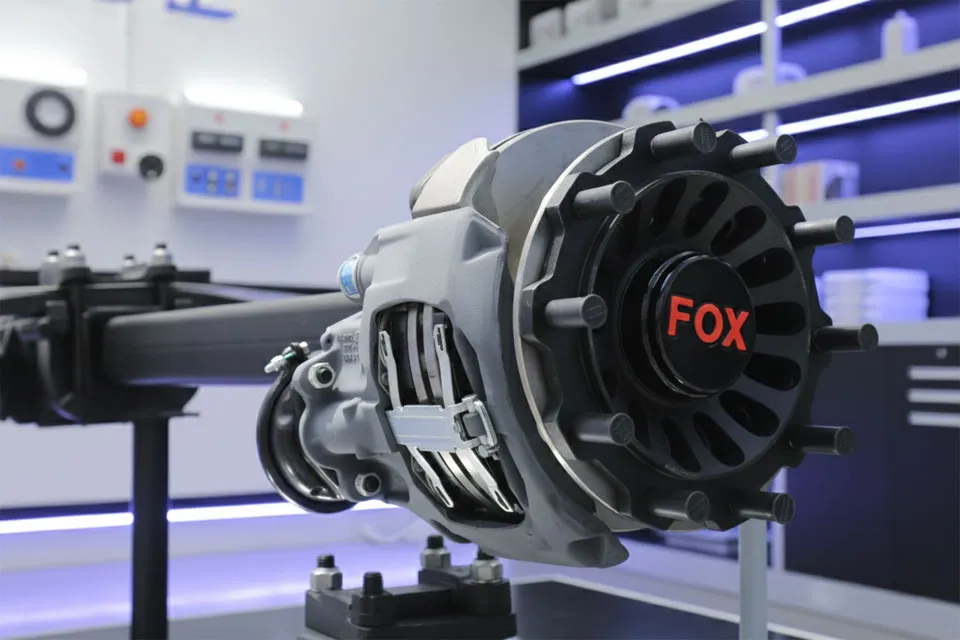
In a Disc Brake system, the rotor or disc is attached to the wheel and rotates with it. The brake caliper sits over the disc and contains one or more pistons and the brake pads. When the brake is applied, the pistons transfer hydraulic or pneumatic pressure to the pads, forcing them against the disc's surface from both sides. The friction between the pad and the disc slows down the disc and ultimately the wheel.
Key Advantages of Disc Brakes
- Excellent Heat Dissipation and Anti-Fading Resistance: The most significant advantage of the Disc Brake is its open design, which is exposed to airflow. This structure allows heat generated by friction to be dissipated quickly and easily into the environment. As a result, even after severe and repeated braking on steep slopes, the risk of Brake Fading is dramatically reduced. This is a critical safety factor for trailers and trucks carrying heavy loads and traveling on mountainous roads.
- Consistent Performance in Wet Conditions: The open structure of the Disc Brake allows water to be immediately thrown off the disc surface due to centrifugal force and the scrubbing action of the pads. Consequently, braking performance in rainy, snowy, and wet conditions is significantly better and more consistent than with drum brakes.
- Easier and Faster Maintenance and Servicing: Replacing Disc Brake pads is straightforward and does not require a complete disassembly of components. Furthermore, the wear status of the pads is visually observable, which reduces the time needed for periodic inspections and helps fleets save time and money.
- More Stable and Balanced Braking: The Disc Brake lacks the "self-actuation effect" present in the Drum Brake. This results in a more linear and predictable transmission of braking force to the pedal, preventing sudden wheel lock-up (when combined with modern systems like ABS/EBS), leading to much better vehicle stability and control.
For a more comprehensive understanding of how braking systems integrate with the entire running gear, please consult our in-depth article.
READ NOW: Ultimate Guide to Trailer Axle Types and Technical Specs
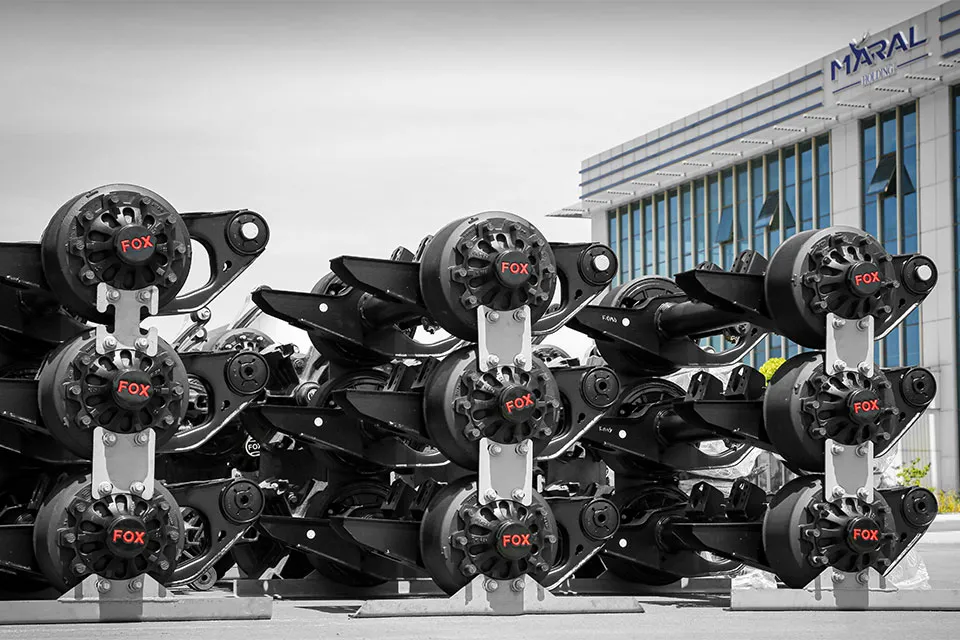
Conclusion: Drum or Disc Brake? The Strategic Choice in Heavy Transport
The choice between Disc Brakes and Drum Brakes for heavy-duty vehicle axles depends on factors such as budget, operating routes, and the paramount importance of safety.
|
Feature |
Disc Brake |
Drum Brake |
|
Heat Dissipation |
Excellent - High resistance to fading |
Poor - High susceptibility to fading under prolonged braking |
|
Initial Cost |
Higher |
Lower |
|
Ease of Service |
High - Quick and easy pad replacement |
Low - More time-consuming and complex |
|
Performance in Moisture |
Excellent - Water is quickly cleared |
Weaker - Risk of trapped moisture |
|
Parking Brake Function |
Average - Often requires specialized design |
Very Good - Inherently suitable for parking brake |
|
Braking Stability |
Very High - Predictable and balanced stopping |
Good - But can be unbalanced by the self-actuation effect |
|
Protection from Contamination |
Low - Direct exposure to pollutants |
High - Enclosed design prevents ingress |

Conclusion for Heavy Vehicles
Disc Brakes are the current and future standard for safety and performance. They are the preferred choice for trucks and buses that demand maximum safety, high speeds, and operation on mountainous or heavily trafficked routes.
Drum Brakes are still used due to their lower initial cost and reliable performance in off-road or construction environments, and as supplementary systems (typically on rear or trailer axles), but their limitations regarding heat must always be considered.
Faq
Top Articles
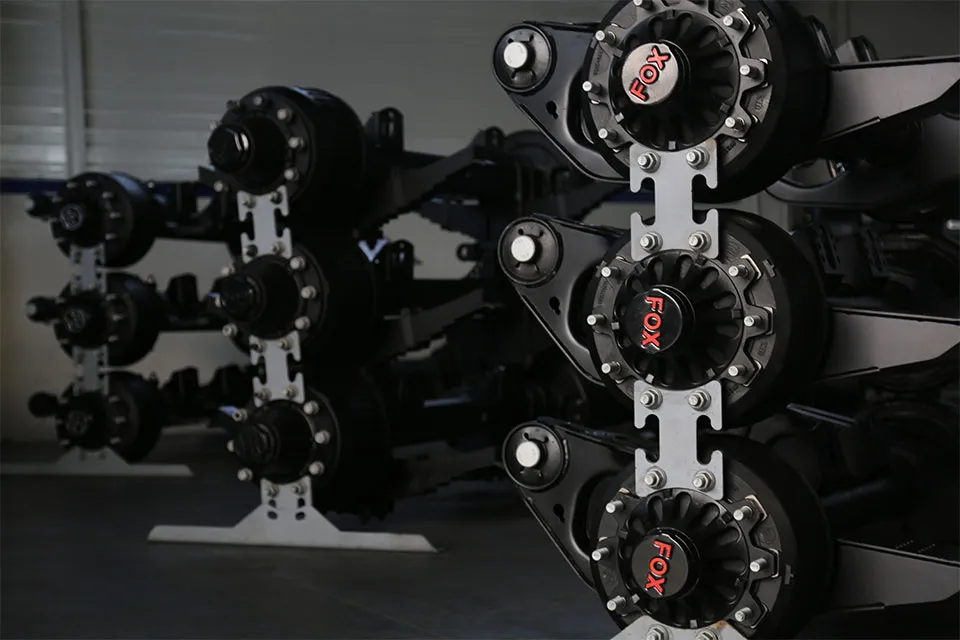
Modern Technologies Revolutionizing Trailer Axle Manufacturing
Modern trailer performance relies on advanced axles. We explore innovations in axle production that enhance fuel economy, reduce maintenance, and ensure superior road safety.
Brake Battle: Disc vs. Drum
Compare Disc Brakes vs Drum Brakes for heavy-duty vehicles. Understand pros, cons, and impact on performance, safety.
Your Ultimate Guide to Trailer Axle Types and Technical Specs
Trailer axles are the unsung heroes of heavy-duty transportation, directly impacting safety, load capacity, and operational efficiency. Choosing the wrong axle type can lead to costly downtime and compromised performance.