


Trailer Lifespan: The Ultimate PM Guide
Boost your fleet's ROI! Learn key preventive maintenance strategies for semi-trailers to maximize lifespan, ensure road safety, and cut operational costs. Read the ultimate guide now.

Maximizing Semi-Trailer Lifespan: A Fleet Manager's Guide to Preventive Maintenance & Durability
As a Fleet Manager, your semi-trailers are the backbone of your business, and their operational longevity directly impacts your bottom line. Ignoring their health isn't just a safety risk; it's a financial liability. This definitive guide cuts through the noise to provide actionable, preventive maintenance (PM) strategies that will extend your trailer's service life, significantly improve fuel efficiency, and ensure maximum uptime for your fleet. Learn how Maral San'at Javid’s commitment to quality manufacturing complements a proactive maintenance routine for unbeatable durability.
Ready to optimize your fleet from the ground up? Dive deeper into selecting and managing your assets. Read our comprehensive guide: 'Commercial Trailer Guide: Choose, Buy, & Maintain for Peak Business Performance' today!
The Foundation: Establishing a Comprehensive PM Schedule
A successful maintenance program is built on predictability, not reaction. Semi-trailer PM should be scheduled based on mileage, hours of service, or calendar time, whichever comes first.
Key Elements of a Tiered Inspection
|
Focus Areas |
Frequency |
Maintenance Tier |
|
Lights, tires (pressure & condition), brakes (air leaks), couplings. |
Daily |
Level 1 (Pre-Trip/Daily) |
|
Lubrication of key components, suspension check, coupling integrity. |
Every 10,000–15,000 miles |
Level 2 (Monthly/Quarterly) |
|
In-depth frame and structural integrity, full brake system teardown, electrical wiring, and axle alignment. |
Annually (often mandated) |
Level 3 (Annual Inspection) |
Deep Dive: Key Focus Areas for Semi-Trailer Durability and Maintenance
For any transportation fleet, extending a trailer's operational life hinges on proactive management of its most stressed components. Fleet management teams must adopt a rigorous inspection and maintenance protocol focused on three critical areas to minimize unexpected downtime and maximize ROI.
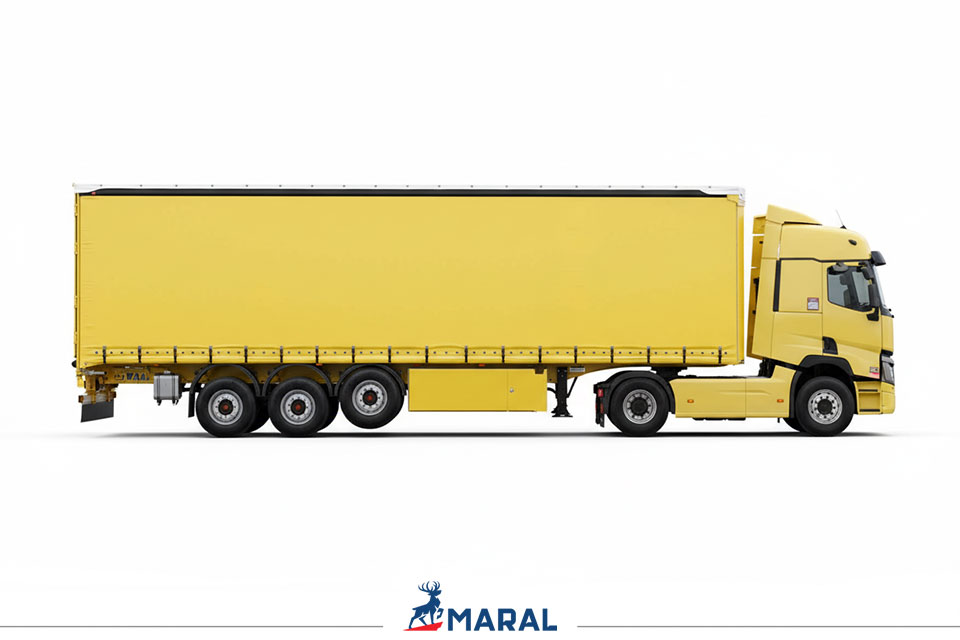
Focus Area 1: The Criticality of Tire and Wheel Management
Tires are the single largest operational expense for many fleets, outside of fuel and labor. Poor tire and wheel management can account for up to a 20% increase in fleet operating costs and pose significant safety risks.
Pressure is King: The Science of Inflation and Efficiency
- The Underrated Danger of Under-inflation: Under-inflated tires are the primary cause of premature tire wear and catastrophic blowouts. They increase the rolling resistance of the trailer, forcing the tractor unit to burn more fuel and generating excessive heat—the number one enemy of tire structure.
- The Check Protocol: Tire pressures must be checked and adjusted when the tires are cold (i.e., before the trailer has been driven or after several hours of rest). Implement a mandatory daily or pre-trip check.
- Technology Integration: Investment in Tire Pressure Monitoring Systems (TPMS) is no longer optional. These systems provide real-time alerts, allowing immediate correction before a minor leak becomes a costly failure or safety hazard.
Alignment Matters: Preventing Uneven Wear
- The "Crabbing" Phenomenon: When axles are out of alignment, the trailer doesn't track perfectly straight; it "crabs" or slides slightly sideways. This movement causes lateral tire scrub, drastically accelerating uneven wear across the tread face.
- Non-Negotiable Investment: Annual laser alignment checks should be mandatory. This specialized service ensures all axles are parallel and perpendicular to the trailer's center line, optimizing tire contact and significantly reducing premature wear on tires, bearings, and suspension components.
Tread Depth, Rotation, and Retreading Strategy
- Comprehensive Tread Inspection: Don't just check the center. Uneven wear on the shoulders often signals deeper mechanical issues (like pressure or alignment problems). Tires must be replaced before they reach the minimum legal tread depth to maintain safe handling and adequate braking traction.
- Tire Life Cycle Management: Maintain detailed records for every tire. Understanding which units have accumulated specific mileage allows for effective tire rotation schedules and informed decisions regarding when to send casings for quality retreading—a key cost-saving strategy for durable fleets.
Focus Area 2: Preserving the Structural Integrity
The semi-trailer’s chassis and frame bear constant, high-stress loads, road shocks, and varying weather conditions. Maintaining structural integrity is crucial for safety and maximizing the trailer’s service life.
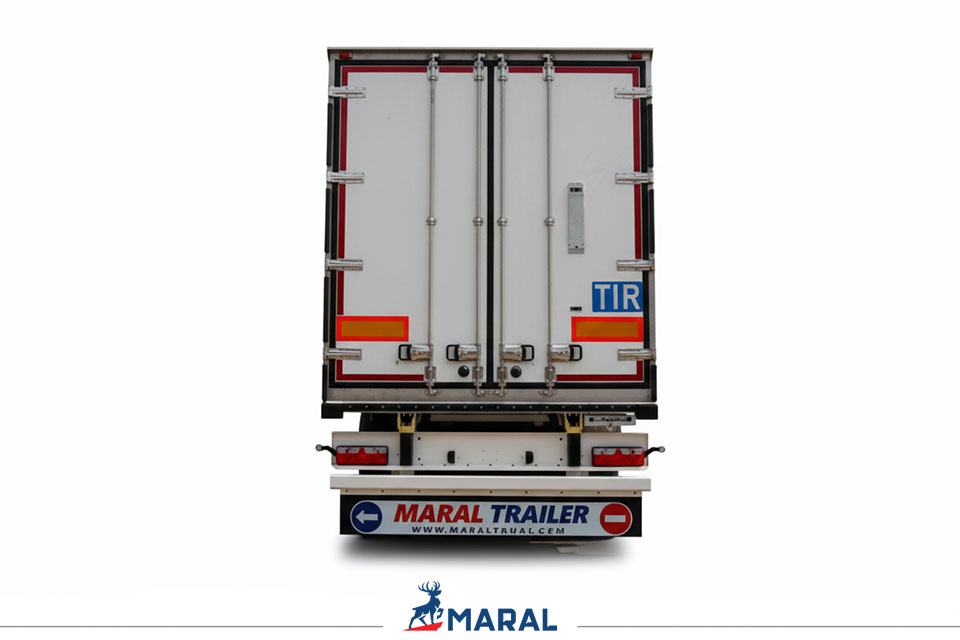
Corrosion Control: Battling the Elements
- The Rust Threat: Corrosion is the number one long-term destroyer of trailer durability, especially in environments exposed to heavy moisture or de-icing road salts. Rust degrades the structural steel, leading to fatigue and eventual failure.
- Proactive Defense: Regular, thorough washing, especially the undercarriage, is necessary to remove corrosive agents. Crucially, regularly verify that all drainage points and weep holes in the frame rails and body are clear to prevent water from pooling and accelerating internal rust. Applying protective anti-corrosion undercoating based on wax or oil is highly recommended.
Weld and Rivet Inspection: Identifying Stress Points
- High-Stress Zones: Pay meticulous attention to areas where maximum stress is concentrated: around the kingpin plate, the landing gear mounts, and all suspension connection points to the chassis.
- Early Detection of Fatigue: Stress, vibration, and road dynamics cause metal fatigue. Look for hairline cracks near welds or loose, sheared, or missing rivets. Finding a small crack early allows for a simple reinforcement patch; ignoring it can lead to catastrophic structural separation. Any unusual creaking or groaning noises during coupling or movement warrant immediate investigation.
Floor Health and Water Penetration
- Load Security: The trailer floor (whether hardwood or aluminum) must maintain its load-bearing capacity. Damage from forklifts, dropped pallets, or shifting cargo must be immediately repaired.
- Secondary Corrosion Risk: Compromised floor integrity allows water and moisture to seep down onto the chassis frame underneath, initiating the corrosion process from the top down. Regular inspection and sealing of all floor cracks or penetration points is a necessary step in protecting the primary structure.
Focus Area 3: Mastering the Suspension and Brake System
These systems directly govern vehicle control, road safety, and load protection. Their proper functioning is a matter of compliance and financial longevity.
Air Suspension Leaks and Compressor Health
- System Overload: Even minor air leaks in the lines, fittings, or air bags can force the tractor's air compressor to cycle too frequently. This continuous operation leads to rapid wear, overheating, and eventual failure of the compressor—a major, expensive repair.
- Simple Daily Checks: Fleet managers should mandate daily leak checks using a simple method like a soapy water solution sprayed on suspected connections. Special attention should be paid to the ride height control valves, as a faulty valve can cause the trailer to run at an incorrect height, stressing the suspension.
Brake System Calibration and Maintenance
- Balanced Braking Force: The key to safe, efficient braking is equal force distribution across all axles. Brake system calibration must be checked to ensure one axle isn't carrying the majority of the braking load, which leads to overheating, rapid wear, and dangerous pulling during deceleration.
- Slack Adjusters and Thickness: Regularly check the function of the automatic slack adjusters and manually verify the clearance. Crucially, monitor the remaining thickness of brake pads or shoes. Delaying replacement until the friction material is exhausted causes damage to the drums or rotors, escalating the cost of the repair significantly.
Lubrication: Reducing Friction, Eliminating Heat
- Heat Mitigation: Friction generates heat, and heat breaks down components. Proper, timely lubrication of all moving parts—especially wheel bearings, suspension pivots, and the landing gear mechanism—is the simplest and most effective way to extend component life.
- Adhering to Specifications: Always use the type and quantity of grease specified by the component manufacturer. Incorrect or low-quality lubricants can damage modern bearing seals and cause premature failure. A consistent greasing schedule is the cornerstone of proactive PM.

The Maral San'at Javid Advantage in Durability
While maintenance optimizes performance, the starting quality of the trailer determines its maximum potential lifespan. Trailers manufactured with high-grade, resilient steel and superior welding techniques, like those from Maral San'at Javid, inherently offer greater resistance to fatigue, stress cracking, and corrosion, making your maintenance efforts even more effective. Buying durable is the first step to maximizing lifespan.
Faq
Top Articles
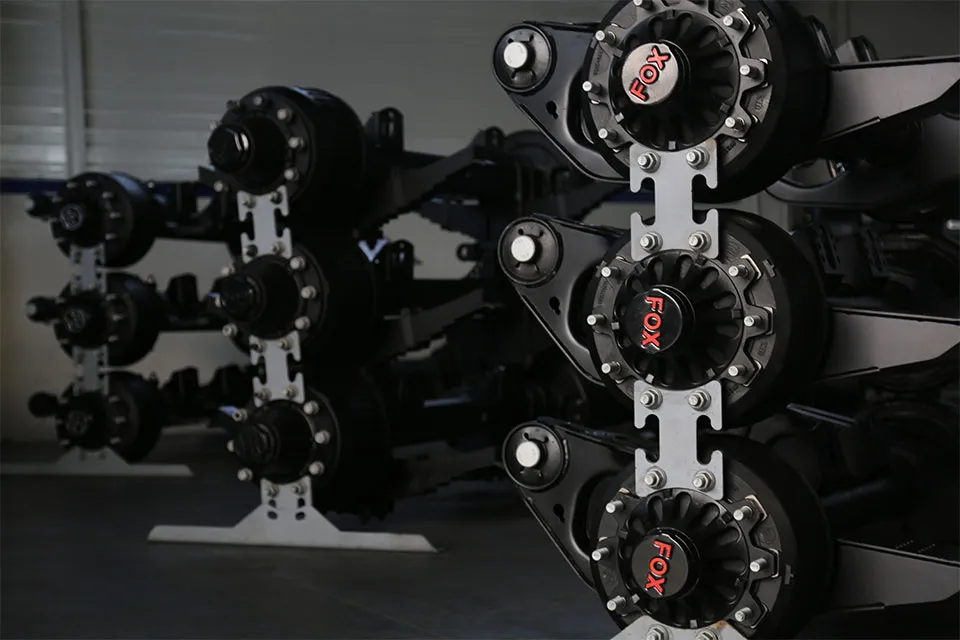
Modern Technologies Revolutionizing Trailer Axle Manufacturing
Modern trailer performance relies on advanced axles. We explore innovations in axle production that enhance fuel economy, reduce maintenance, and ensure superior road safety.
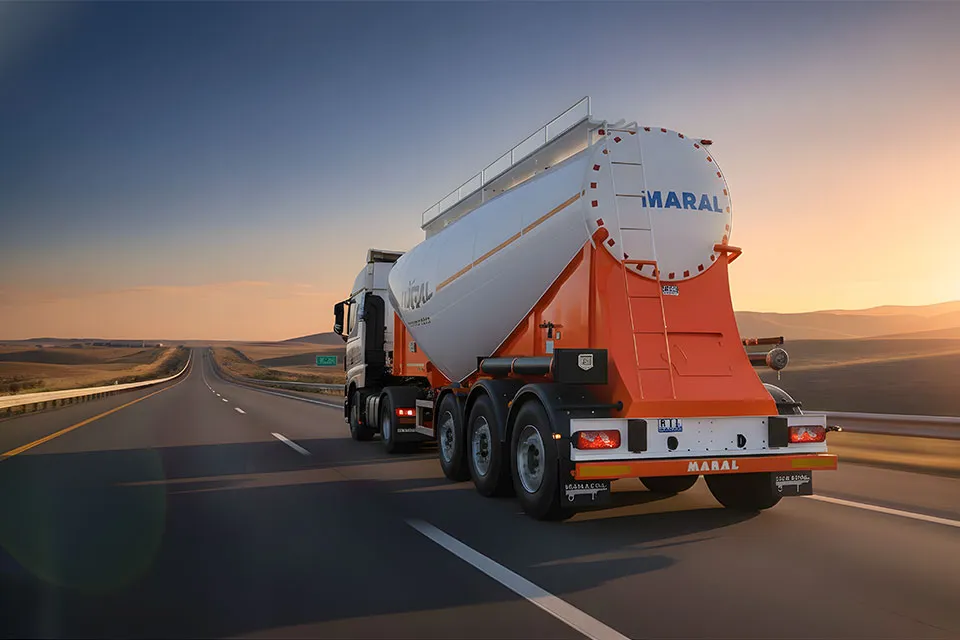
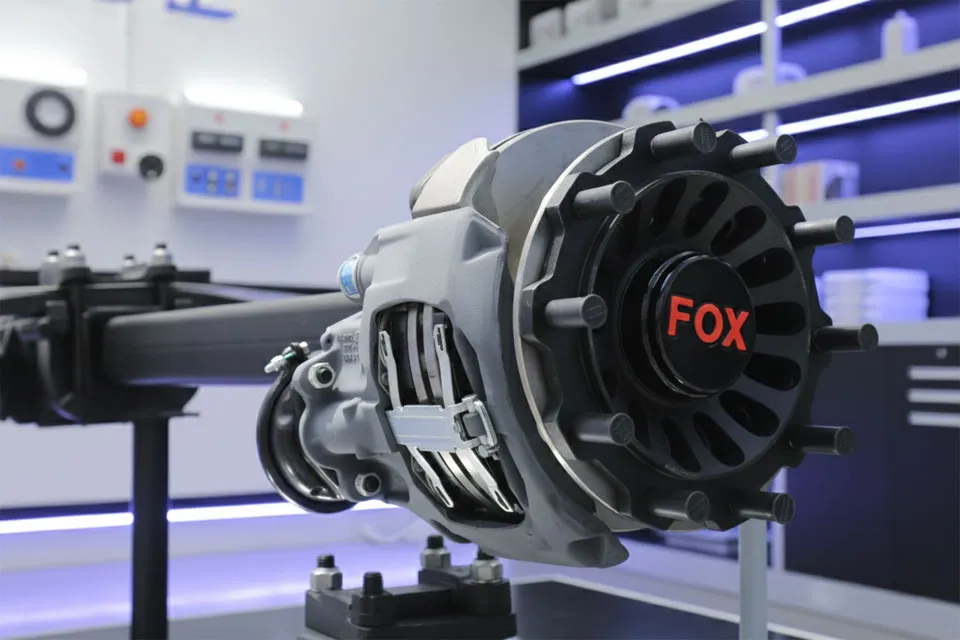
Brake Battle: Disc vs. Drum
Compare Disc Brakes vs Drum Brakes for heavy-duty vehicles. Understand pros, cons, and impact on performance, safety.
Your Ultimate Guide to Trailer Axle Types and Technical Specs
Trailer axles are the unsung heroes of heavy-duty transportation, directly impacting safety, load capacity, and operational efficiency. Choosing the wrong axle type can lead to costly downtime and compromised performance.