


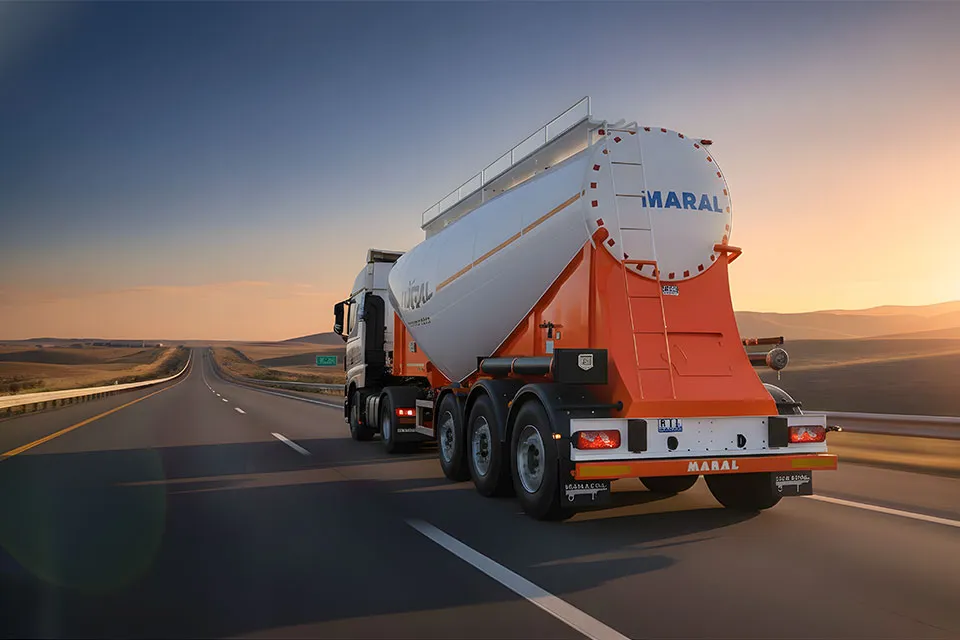
The Backbone of Logistics: Maral Flatbed Trailers in Motion
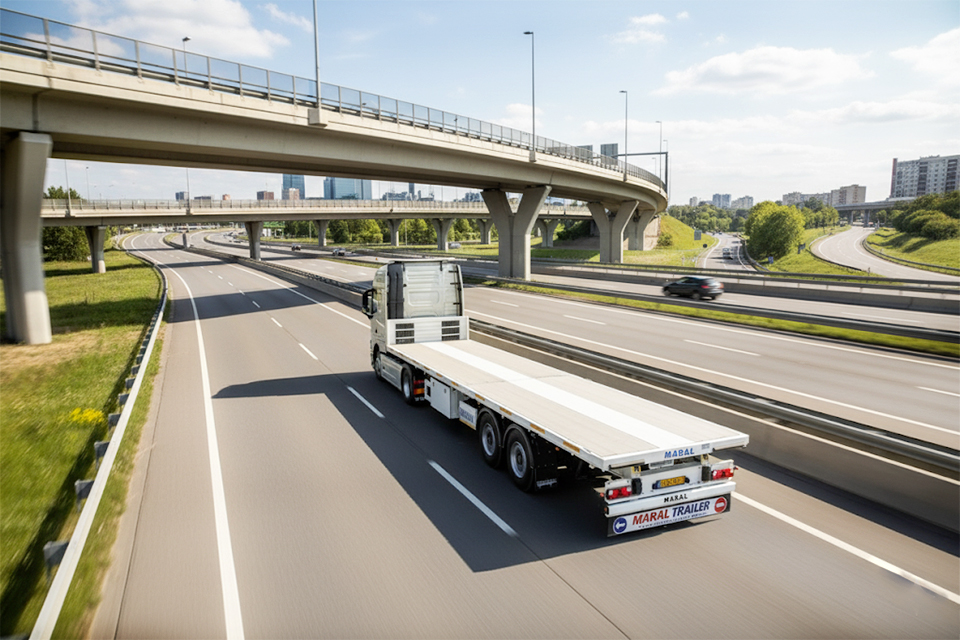
A flatbed trailer is the backbone of transportation for countless industries, from construction and agriculture to heavy machinery and specialized freight. Selecting the wrong one can lead to costly delays, safety hazards, and reduced operational efficiency.
The Core Decision: Understanding Your Freight and Hauling Requirements (Enhanced)
The first and most crucial step in selecting a flatbed trailer is having a precise, technical understanding of what you need to haul. This involves analyzing three key dimensions: Weight, Dimensions, and Concentration.
A. Assess the Load Weight (Payload Capacity and Distribution)
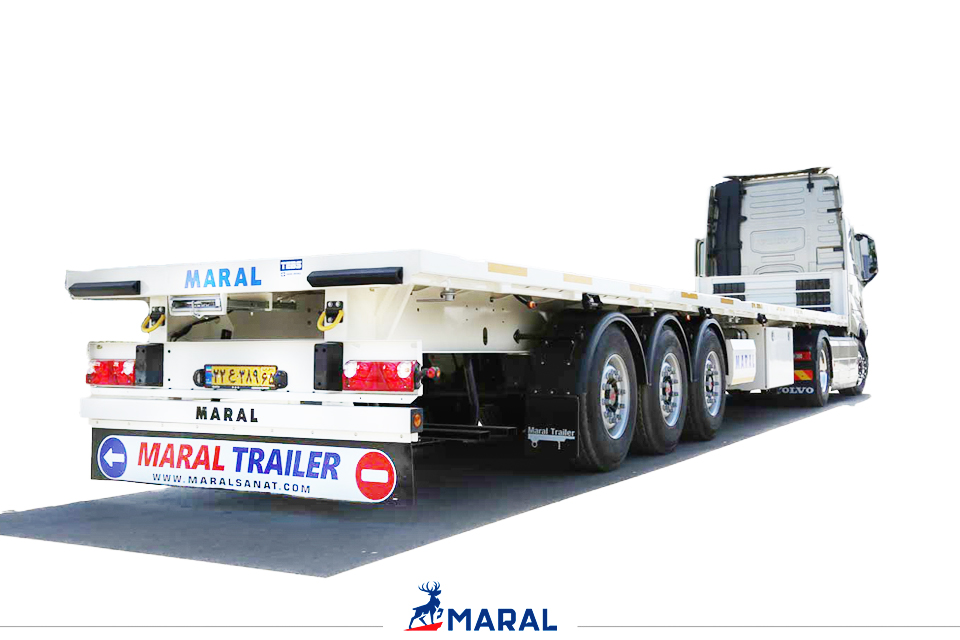
Your trailer's payload capacity is the single most critical factor; exceeding it is illegal, voids insurance, and is extremely dangerous. However, simply knowing the total weight isn't enough—you must also consider how that weight is distributed.
Download our Commercial Trailer Guide: Choose, Buy & Maintain for Peak Business Performance now and get expert insights to make your next investment the right one.
Understanding Gross Weight Ratings
- GVWR (Gross Vehicle Weight Rating): The maximum operational weight of the trailer itself (tare weight) plus the cargo (payload).
- GCWR (Gross Combination Weight Rating): The maximum allowed total weight of the tractor, the trailer, and the cargo combined. Always check these against regional road laws.
Load Categories and Axle Configuration
- Light-to-Medium Loads (up to 40,000 lbs): Standard tandem-axle flatbed trailers (steel or aluminum) are usually sufficient. Look for trailers with a lighter tare weight (often aluminum) to maximize your legal payload.
- Heavy Haulage (over 50,000 lbs): You will absolutely need high-capacity, heavy-duty steel trailers. These require tri-axle or quad-axle configurations to distribute the weight over more points and comply with bridge formula laws, preventing stress on road infrastructure.
Crucial Point: Concentrated Weight (Point Load)
This refers to the weight concentrated over a small area (e.g., a steel coil or a single piece of heavy machinery). Even if the total load is within capacity, a high point load can damage the deck structure. For heavy point loads, prioritize steel trailers or trailers specifically reinforced for heavy machinery, as aluminum decks are more susceptible to damage in these situations.
B. Determine the Load Dimensions (Length, Width, and Height)
The physical size of your typical freight dictates the necessary trailer dimensions and potentially the need for specialized equipment.
Standard Dimensions
- Length: Typically 48 or 53 feet long. The 53-foot option is popular for lighter, bulkier freight where volume is the constraint (e.g., packaged goods, building supplies).
- Width: Standard width is 102 inches (8 feet 6 inches).
- Height: A standard flatbed deck height is around 60 inches (5 feet) off the ground, leaving a typical maximum legal freight height of about 8 feet 6 inches before requiring special permits.
Oversize Loads (Specialized Freight)
If your cargo exceeds standard legal limits (e.g., is taller than 8 feet 6 inches, or wider than 102 inches), you must move beyond a standard flatbed.
- Taller Loads: For cargo that is tall but not overly heavy (e.g., modular homes, large tanks), a Step Deck trailer (Drop Deck) is essential. The lower deck drops the freight down, allowing you to carry taller items while adhering to overall height restrictions.
- Extremely Long Loads: For items like utility poles, wind turbine components, or structural steel, Extendable Flatbeds are necessary. These trailers can stretch hydraulically to support the length of the cargo while ensuring proper support and balance during transport.
C. Factor in Loading and Unloading Capabilities
Consider how and where the freight is loaded:
- Overhead Crane Access: A standard flatbed is ideal for facilities that use cranes for loading and unloading, as the deck is completely open from above.
- Ramps and Drive-On Access: If you frequently haul operable equipment (like excavators or forklifts), ensure the trailer has the proper ramps (e.g., folding or detachable ramps) and a robust enough rear area to support the weight transition.
By analyzing weight, distribution, dimensions, and loading methods, you move beyond a simple choice and make a strategic investment in the right flatbed trailer that aligns perfectly with your business logistics.
Choosing the Right Flatbed Trailer Type
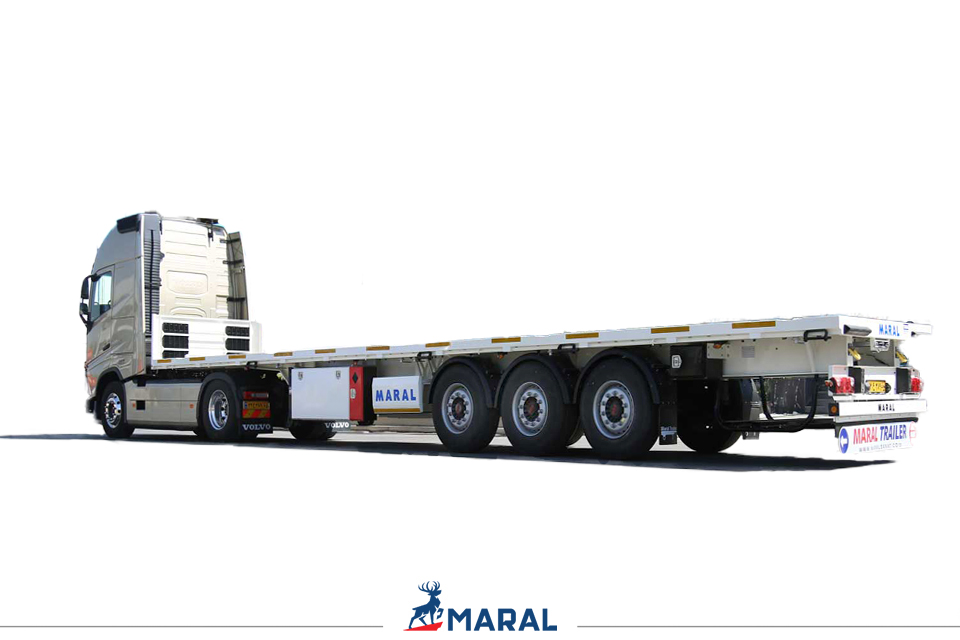
Not all flatbeds are the same. Your operation may benefit from a specific design:
|
Trailer Type |
Best For |
Key Advantage |
|
Standard Flatbed |
General freight, construction materials, steel, machinery |
Versatility and ease of loading/unloading |
|
Step Deck (Drop Deck) |
Taller freight that exceeds standard height limits |
Lower deck allows for taller cargo while adhering to height restrictions |
|
Double Drop (Lowboy) |
Extremely tall or heavy specialized freight (e.g., excavators, industrial presses) |
Lowest possible deck height; essential for heavy haulage |
|
Extendable Flatbed |
Extremely long items (e.g., wind turbine blades, long pipes, beams) |
Deck length can be hydraulically adjusted |
Material Matters: Steel vs. Aluminum
The material of construction profoundly impacts the trailer’s weight, durability, and cost.
Aluminum Flatbed Trailers
- Pros: Much lighter, leading to better fuel economy and a higher legal payload capacity for the truck. Excellent resistance to rust and corrosion.
- Cons: Higher initial cost; less suitable for point-loading or heavy, concentrated weights.
Steel Flatbed Trailers
- Pros: Superior strength and durability for concentrated, heavy, or rugged loads. Lower initial purchase price.
- Cons: Heavier, which reduces potential cargo capacity and slightly increases fuel consumption. Prone to rust if not maintained.
Hybrid (Steel/Aluminum) trailers offer a good balance, often featuring an aluminum deck on a steel frame for the best of both worlds.
See how Maral Sanat Javid's flatbed trailers can maximize your fleet's efficiency and return on investment.
Axle Configuration and Suspension
The axle setup directly influences the maximum legal weight and how the weight is distributed.
- Tandem Axle: Standard for most operations, offering good balance.
- Tri-Axle: Essential for maximizing payload capacity and spreading heavy weights across more points.
- Air Ride Suspension: Highly recommended for transporting delicate or sensitive equipment (like electronics or aerospace components) as it provides a much smoother ride than spring suspension.

Deck Features and Tie-Down Options
Ensure the trailer is equipped to secure your specific cargo safely.
- Sliding Winches: Allow for quick and adjustable tie-down points along the entire rail.
- Rub Rails and Stake Pockets: Necessary for securing oversized or uniquely shaped loads.
- D-Rings: Permanent tie-down points ideal for heavy chains and binders.
Conclusion: Making the Smart Investment
Choosing the right flatbed trailer for your business is a long-term strategic decision. It requires a detailed analysis of your typical freight, an understanding of trailer dimensions and types, and a commitment to quality. By focusing on payload capacity, selecting the appropriate material (steel or aluminum), and considering specialized needs, you can ensure your investment maximizes efficiency and minimizes risk.
For expert consultation on choosing a high-quality, durable flatbed trailer built to handle the toughest jobs, contact Maral trailar today.
Faq
Top Articles
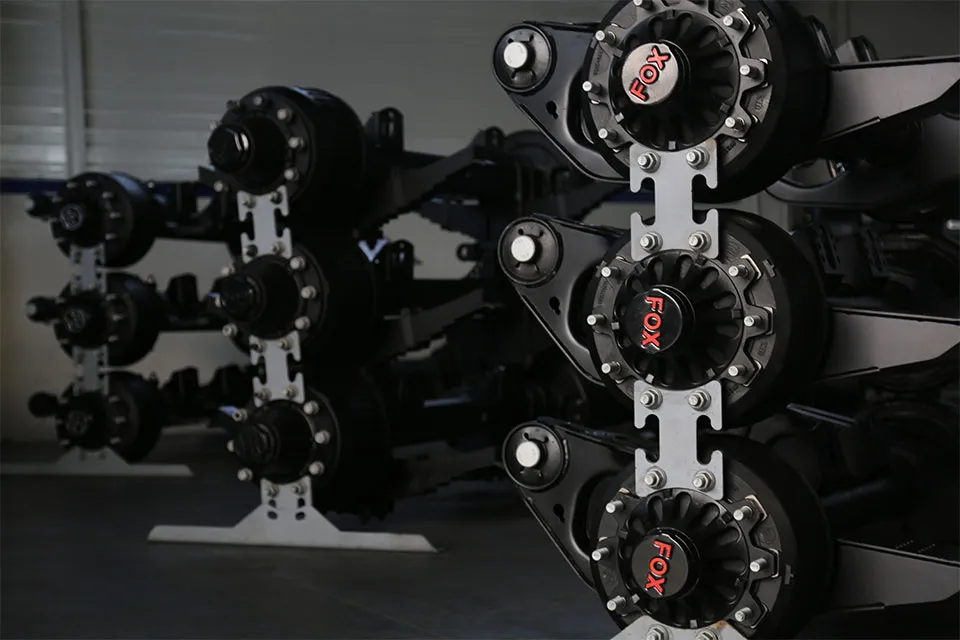
Modern Technologies Revolutionizing Trailer Axle Manufacturing
Modern trailer performance relies on advanced axles. We explore innovations in axle production that enhance fuel economy, reduce maintenance, and ensure superior road safety.
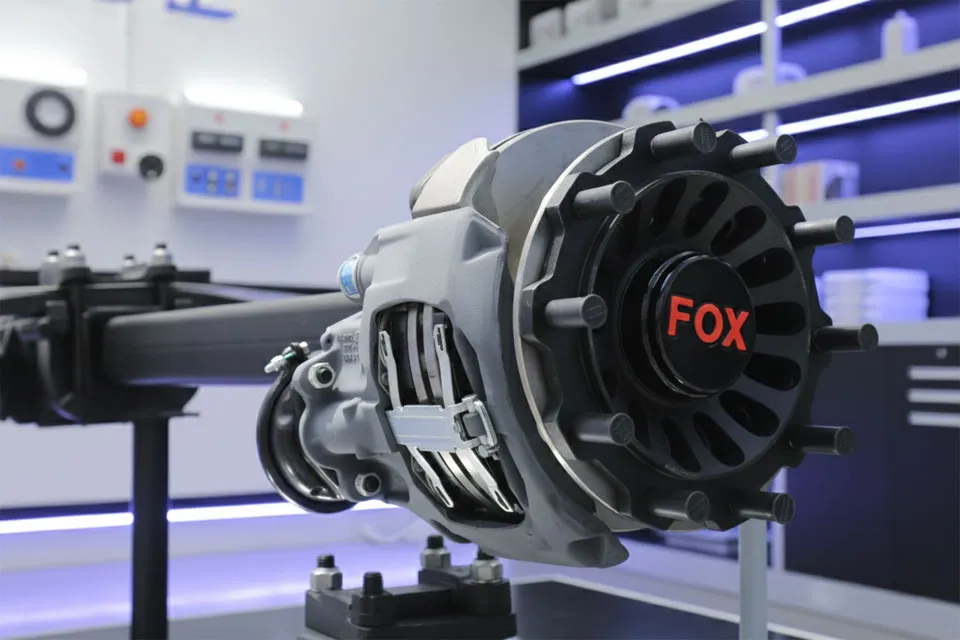
Brake Battle: Disc vs. Drum
Compare Disc Brakes vs Drum Brakes for heavy-duty vehicles. Understand pros, cons, and impact on performance, safety.
Your Ultimate Guide to Trailer Axle Types and Technical Specs
Trailer axles are the unsung heroes of heavy-duty transportation, directly impacting safety, load capacity, and operational efficiency. Choosing the wrong axle type can lead to costly downtime and compromised performance.