


Complete Guide to Semi-Trailer Maintenance & Service
Maximize your fleet's lifespan with our ultimate guide to semi-trailer maintenance. Get detailed checklists, service tips, and preventive care strategies.
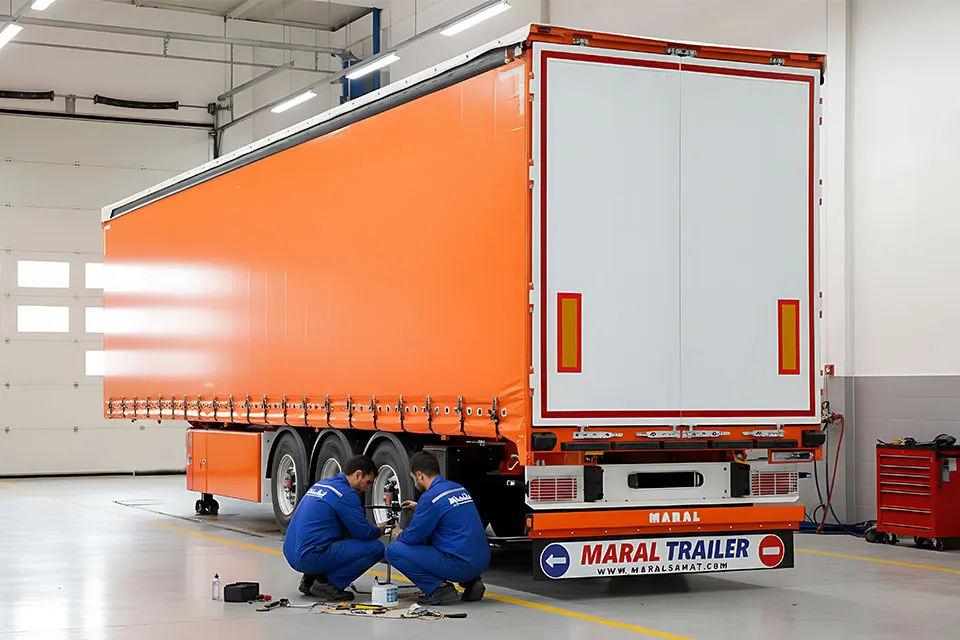
Why Preventive Trailer Maintenance is Non-Negotiable for Your Fleet
In the demanding world of logistics and transportation, a trailer that breaks down is not just an inconvenience—it's a massive expense, a potential safety hazard, and a breach of trust with your clients. At Maral Sanat Javid, we understand that the longevity and performance of your heavy-duty semi-trailers depend entirely on rigorous and consistent trailer maintenance.
This comprehensive trailer maintenance guide is designed to provide fleet managers and maintenance personnel with the essential knowledge and actionable checklists needed for optimal commercial trailer service. By implementing a strong preventive maintenance for trailers strategy, you ensure operational efficiency and maximize the return on your valuable assets.
The Ultimate Semi-Trailer Service Checklist
A thorough maintenance program should be divided into daily/weekly checks and scheduled quarterly/annual services.
Phase 1: Daily/Pre-Trip Inspection
These simple checks are crucial for identifying immediate issues before a trailer hits the road.
|
Component |
Inspection Focus |
Action |
|
Tires and Wheels |
Pressure, tread depth, uneven wear, lug nut tightness. |
Inflate to specifications, replace worn tires. |
|
Lights and Electrical |
Brake lights, turn signals, markers, wiring harness connection. |
Replace faulty bulbs, secure loose wiring. |
|
Brake System |
Air lines, glad hands, signs of air leaks. |
Check air pressure gauges, repair leaks immediately. |
|
Coupling Device |
Fifth wheel kingpin and plate condition, locking mechanism security. |
Lubricate fifth wheel, check for cracks. |
|
Doors and Body |
Security of doors, locks, body damage, decals/markings. |
Repair minor body damage, ensure secure cargo area. |
Phase 2: Quarterly and Annual Service
These deep-dive inspections require more specialized tools and expertise, focusing on the mechanical core of the trailer. Unlike daily checks, these services are comprehensive and essential for preventative maintenance, ensuring your trailers meet safety and longevity standards throughout the year.
A. Trailer Axle and Suspension Care
The suspension system bears the brunt of the payload and various road conditions. For reliable performance and safety, regular inspection is key to reliable performance. A dedicated trailer axle care routine is vital. Start by checking and correcting the axle alignment frequently; misalignment is a silent fleet killer, leading to excessive and uneven tire wear and significantly compromising fuel efficiency. Next, meticulously inspect all suspension components, including leaf springs, air bags, shock absorbers, and hangers, looking for any signs of cracks, excessive wear, deformation, or air leaks in pneumatic systems. Finally, adhere strictly to the manufacturer’s schedule for lubrication, greasing all required points, especially suspension bushings and shackles, to minimize friction and wear.
B. The Critical Role of the Brake System
Brake failure is arguably the single biggest safety risk in commercial trucking; therefore, a detailed brake system inspection is mandatory and must never be overlooked. Begin by assessing brake pads/shoes, measuring the remaining lining thickness and replacing them immediately when they fall below the minimum safe limit. Simultaneously, check drums and rotors for any scoring, heat cracking, or signs of overheating and excessive wear that could compromise stopping power. A crucial step is inspecting the air chambers and slack adjusters; verify that the pushrod travel is within specification and ensure that automatic slack adjusters are functioning correctly to maintain proper brake adjustment. Any sign of a major air leak should be addressed immediately.
Want to dive deeper into maximizing your investment? Beyond routine checks, a robust Preventive Maintenance (PM) strategy is crucial for extending your assets' operational life. For an exhaustive breakdown, explore our 'Trailer Lifespan: The Ultimate PM
C. Tire Management and Maintenance
As tyres represent a significant operational cost, proper tire care for heavy-duty trailers is paramount to minimize dangerous blowouts and extend their lifespan. Implement a systematic tire rotation and matching plan to ensure even wear across the entire fleet and prevent premature replacement. Inspect valve stems for leaks or damage that could lead to gradual pressure loss. Most importantly, consistently monitor and log tread depth across all positions to ensure compliance with stringent safety regulations and to forecast replacement needs accurately. Maintaining correct tire pressure, based on the load and manufacturer specifications, remains the single most effective action for optimal tire performance.
Common Trailer Issues and Troubleshooting Tips
Knowing how to accurately diagnose and quickly address common operational problems saves valuable time, reduces repair costs, and, most importantly, keeps your fleet on the road. Below are some of the most frequent issues encountered during semi-trailer repair and upkeep, along with immediate troubleshooting steps.
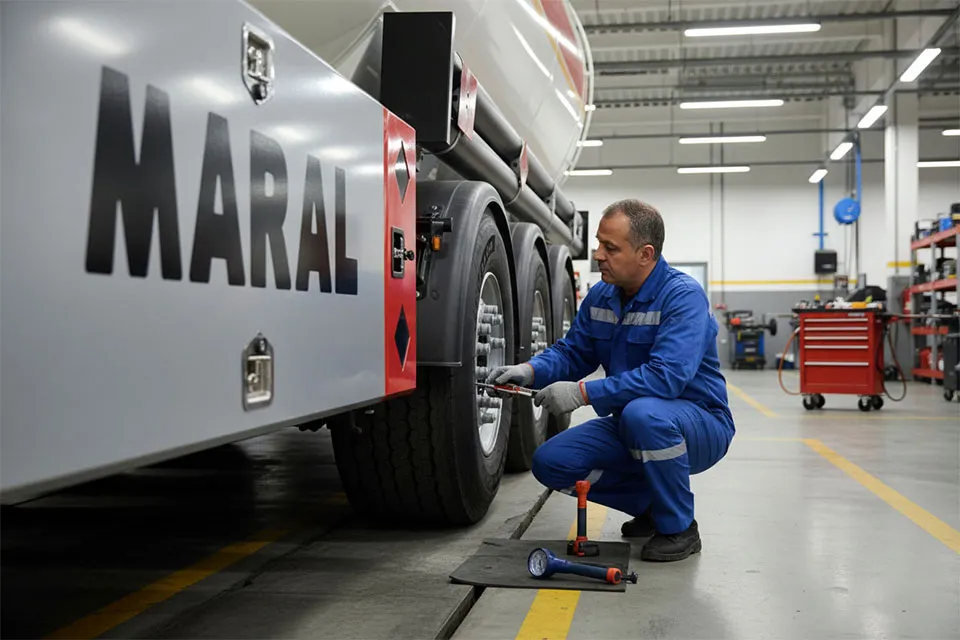
1. Uneven Tire Wear
- Diagnosis: If you observe uneven tire wear across the tread—such as "shoulder wear" (inner or outer) or a "cupping" pattern—this is a strong indicator of underlying mechanical stress.
- Troubleshooting: This condition often signals a significant problem with trailer axle alignment or the systematic placement of unbalanced loads. Axle misalignment forces the tire to drag or scrub across the pavement, rapidly destroying the rubber and reducing fuel economy. Address alignment immediately by scheduling a laser alignment service. If the wear is localized, check the suspension components, especially shock absorbers, for failure.
2. Air Leaks in the Brake System
- Diagnosis: A frequent and constant hissing sound when the trailer is parked or the air pressure in the reservoirs drops faster than normal indicates a critical air leak.
- Troubleshooting: Air leaks typically point to damage in the air lines, fittings, or, most critically, the brake chambers. To locate the leak, apply soapy water to lines and connections; bubbles will form where air is escaping. Never ignore an air leak, as they can compromise the entire braking system's functionality. Replace damaged hoses or faulty fittings immediately to restore system integrity.
3. Brake Dragging or Overheating
- Diagnosis: If a trailer wheel assembly feels excessively hot after a short run, or if the brake lining wears out prematurely on a specific axle, brake dragging is likely occurring.
- Troubleshooting: Dragging can be caused by faulty slack adjusters that are over-tightening the brakes, or residual air pressure remaining in the brake chamber preventing the shoes from fully retracting. Immediately inspect and clear lines for blockages or adjust the mechanical components. Ensure that the automatic slack adjusters are functioning correctly to prevent the brakes from binding, which wastes fuel and poses a severe fire hazard.
4. Structural Frame and Body Damage
- Diagnosis: Look for visible cracks around the high-stress areas like the upper coupler, landing gear mount, or rear bumper. Check the floor and side walls for deformation, especially on dry van or flatbed trailers.
- Troubleshooting: Minor scratches and dents should be logged, but structural cracks require immediate attention from a certified welder to prevent catastrophic failure, particularly near the fifth wheel. Ensuring that the body integrity is maintained is essential for safe loading and compliance with weight distribution laws.

Maral Sanat Javid: Partnering in Fleet Maintenance for Peak Performance
At Maral Sanat Javid, we believe that quality extends far beyond the factory floor. As a leading manufacturer of high-quality semi-trailers and specialized commercial trailer bodies, we engineer durability and reliability into every single unit we produce—from robust chassis designs to advanced braking systems.
Our commitment to our clients goes beyond manufacturing; we provide the essential support and technical fleet maintenance tips necessary for long-term fleet success. By diligently adhering to the guidelines in this comprehensive trailer maintenance guide, you are not just performing routine checks—you are strategically ensuring your Maral trailer operates at peak performance, maximizing its payload capacity, extending its operational lifespan, and upholding the highest standards of road safety. Trust Maral Sanat Javid to be your partner in sustainable fleet management.
Faq
Top Articles
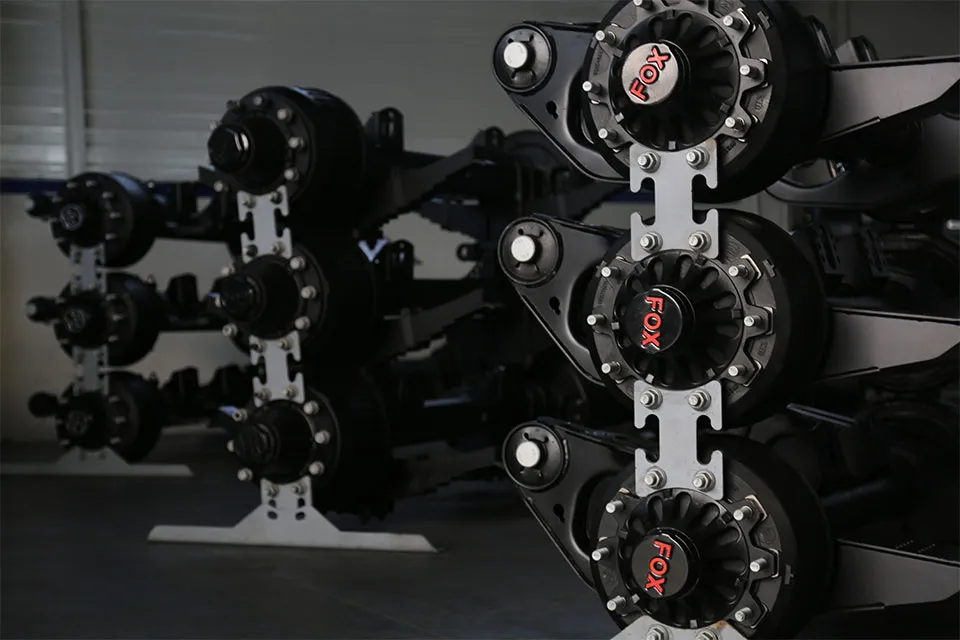
Modern Technologies Revolutionizing Trailer Axle Manufacturing
Modern trailer performance relies on advanced axles. We explore innovations in axle production that enhance fuel economy, reduce maintenance, and ensure superior road safety.

Brake Battle: Disc vs. Drum
Compare Disc Brakes vs Drum Brakes for heavy-duty vehicles. Understand pros, cons, and impact on performance, safety.
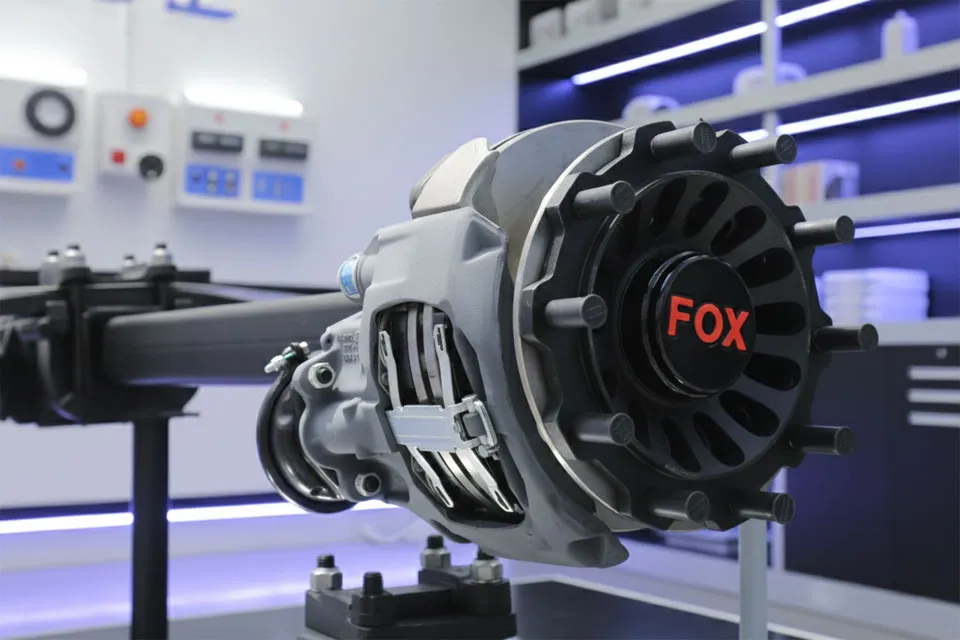
Your Ultimate Guide to Trailer Axle Types and Technical Specs
Trailer axles are the unsung heroes of heavy-duty transportation, directly impacting safety, load capacity, and operational efficiency. Choosing the wrong axle type can lead to costly downtime and compromised performance.