


Cement Bulker Trailer: How Maral Sanat Javid Drives Transport Efficiency
The seamless flow of cement is non-negotiable for the global construction sector. As the industry scales, the need for reliable, efficient, and technologically superior transport becomes paramount. This is where high-quality cement bulkers and dry bulk trailers play their most crucial role.
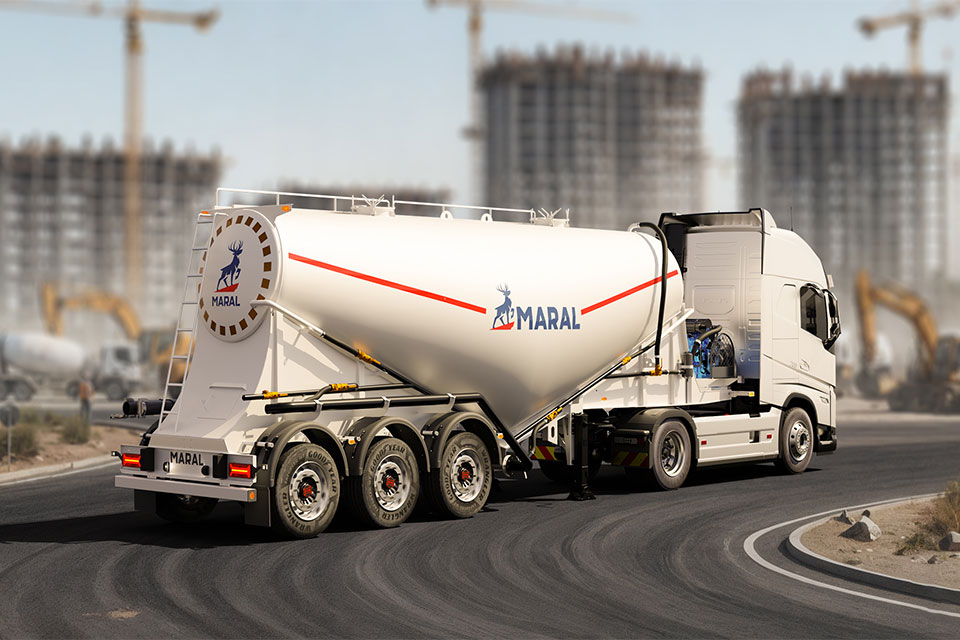
The Backbone of Construction: A Deep Dive into Maral Sanat Javid's Advanced Cement Bulker Solutions
The seamless flow of cement is non-negotiable for the global construction sector. As the industry scales, the need for reliable, efficient, and technologically superior transport becomes paramount. This is where high-quality cement bulkers and dry bulk trailers play their most crucial role. This deep dive explores how Maral Sanat Javid (MSJ), a leader in advanced transport solutions, is setting new standards for efficiency and durability in bulk material handling, ensuring that the 'liquid gold' of construction reaches its destination safely and on time.
Why Traditional Transport Falls Short for Cement
Transporting dry bulk materials, particularly fine powders like cement, is an intricate and specialized challenge that extends far beyond the capabilities of standard logistics. Cement, the essential binding agent of concrete, is extremely sensitive, turning the simple act of transportation into a critical engineering task.
Ready to Optimize Your Fleet?
Don't just transport—dominate the road. For comprehensive guidance on selecting, purchasing, and maintaining the full range of heavy-duty transport solutions, from cement bulkers to flatbeds, download our essential resource today:
Get the Ultimate Commercial Trailer Guide: Choose, Buy & Maintain for Peak Business Performance
The inadequacy of general-purpose vehicles—such as open-top trailers or conventional dry-box containers—stems from several key vulnerabilities:
1. Contamination and Moisture Compromise
Cement is highly hygroscopic, meaning it readily absorbs moisture from the atmosphere. Even minimal exposure to humidity or rain can trigger premature hydration, causing the powder to clump and harden.
Traditional Failure: Open trailers offer zero protection, while even sealed general containers often lack the airtight integrity required. This contamination renders the cement useless or severely degrades its quality, resulting in material loss and expensive construction reworks.
2. Material Loss During Transit (Attrition)
Fine powders are susceptible to being blown away or spilled during transit, especially over long distances or rough terrain.
Traditional Failure: The lack of a fully sealed, dedicated vessel means that a significant percentage of the cargo can be lost through even small gaps or due to wind exposure, leading to inaccurate delivery weights and significant financial losses for the supplier.
3. Handling and Discharge Inefficiency
Once at the job site, cement must be efficiently transferred to silos or mixers. Traditional methods involving bags or manual handling are slow, labor-intensive, and inherently prone to dust pollution.
Traditional Failure: Standard containers require complex, time-consuming, and often unsafe methods (like tipping or vacuuming) for unloading, creating severe logistical bottlenecks that stall critical construction timelines.
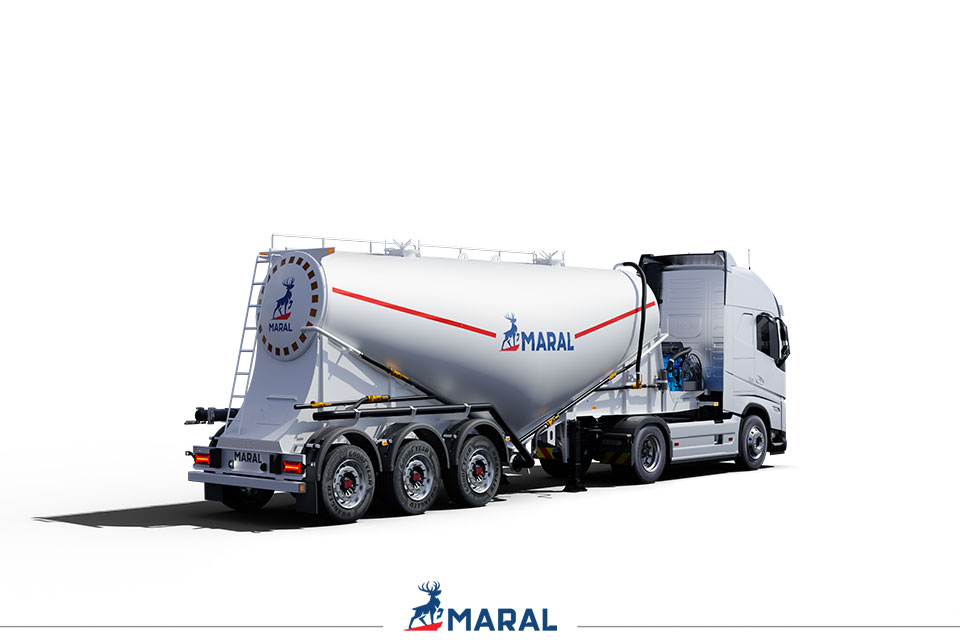
The Necessity of Specialized Pneumatic Tankers
These critical shortcomings necessitate the use of pneumatic cement tankers—pressurized vessels specifically engineered for this fine material. These specialized cement bulkers offer a closed-loop system:
- Airtight Integrity: They provide a completely sealed, controlled environment that locks out all external moisture and contaminants, preserving the cement's quality.
- Pneumatic Loading/Unloading: They use air pressure (via internal compressors and fluidization systems) not only to load the powder but, most importantly, to efficiently and cleanly discharge it directly into job-site silos. This streamlined process eliminates manual handling, minimizes dust, and ensures rapid turnaround.
The efficiency and reliability provided by these specialized cement bulkers directly influence construction timelines and budgets, making them an indispensable link in modern construction logistics.
Maral Sanat Javid's Engineering Edge: Key Features of Their Cement Bulkers
Maral Sanat Javid has established its reputation by focusing on engineering excellence that addresses the toughest construction logistics problems. Their dry bulk trailers are not merely carriers; they are integrated systems optimized for maximum operational performance.
Enhanced Safety and Stability
Safety is the foundation of MSJ's design. Their cement bulkers feature low centers of gravity and robust suspension systems (often utilizing high-quality German or Turkish axles) that ensure exceptional stability, even when traversing challenging terrain or navigating sharp curves. This focus minimizes the risk of rollovers, protecting the valuable cargo and the driver.
Optimized Payload and Weight Distribution
Profitability in bulk material handling is often measured in kilograms. MSJ utilizes high-tensile, lightweight steel in its manufacturing process. This innovative material choice allows for an optimized payload capacity without compromising structural integrity or durability, ensuring transporters can maximize their load within legal road limits.
Pneumatic Discharge Efficiency (The heart of the operation)
The most critical factor for a cement tanker is its ability to unload quickly and completely. MSJ trailers are equipped with high-performance compressors and meticulously designed fluidization systems. This combination ensures:
- Faster Unloading Times: Minimizing turnaround time at the job site.
- Maximum Product Recovery: Leaving virtually no residual material in the tank, eliminating waste.

Durability Meets Performance: Materials and Manufacturing Excellence
A cement bulker is a long-term investment. Recognizing this, Maral Sanat Javid adheres to stringent international manufacturing and welding standards. By employing advanced automated welding techniques and high-grade materials, MSJ guarantees that its cement transportation solutions withstand the corrosive nature of the cargo and the rigors of continuous, heavy-duty use over many years. This focus on durability significantly lowers long-term maintenance costs for fleet owners.
Solving the Construction Logistics Challenge: Real-World Applications
MSJ's advanced transport technology is actively deployed across large-scale infrastructure projects, including dams, highways, and high-rise construction. By providing reliable and high-capacity dry bulk trailers, Maral Sanat Javid is instrumental in maintaining the vital supply chain of construction materials, proving their commitment to being a true partner in development. Whether transporting cement, fly ash, or lime, their bulkers are engineered for consistent, hassle-free performance.
The Future of Dry Bulk Transportation
As global regulations tighten and the demand for efficiency grows, the industry will continue to shift toward smarter, lighter, and more specialized transport equipment. Maral Sanat Javid is positioned at the forefront of this evolution, investing in research to integrate further advancements in aerodynamics, smart telemetry systems, and even lighter composite materials, securing its place as a key player in the future of bulk material handling.
Faq
Top Articles
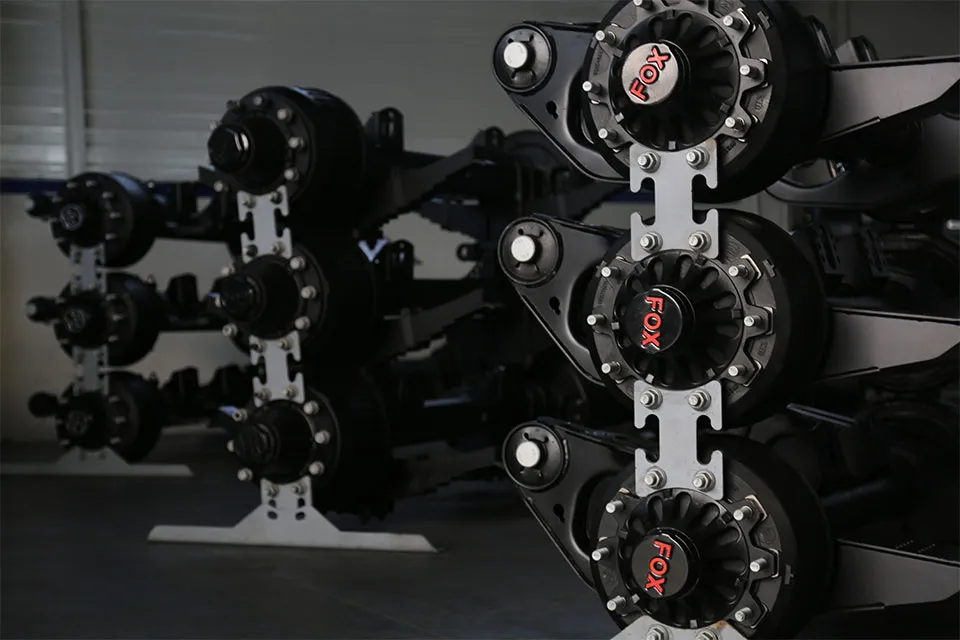
Modern Technologies Revolutionizing Trailer Axle Manufacturing
Modern trailer performance relies on advanced axles. We explore innovations in axle production that enhance fuel economy, reduce maintenance, and ensure superior road safety.
Brake Battle: Disc vs. Drum
Compare Disc Brakes vs Drum Brakes for heavy-duty vehicles. Understand pros, cons, and impact on performance, safety.
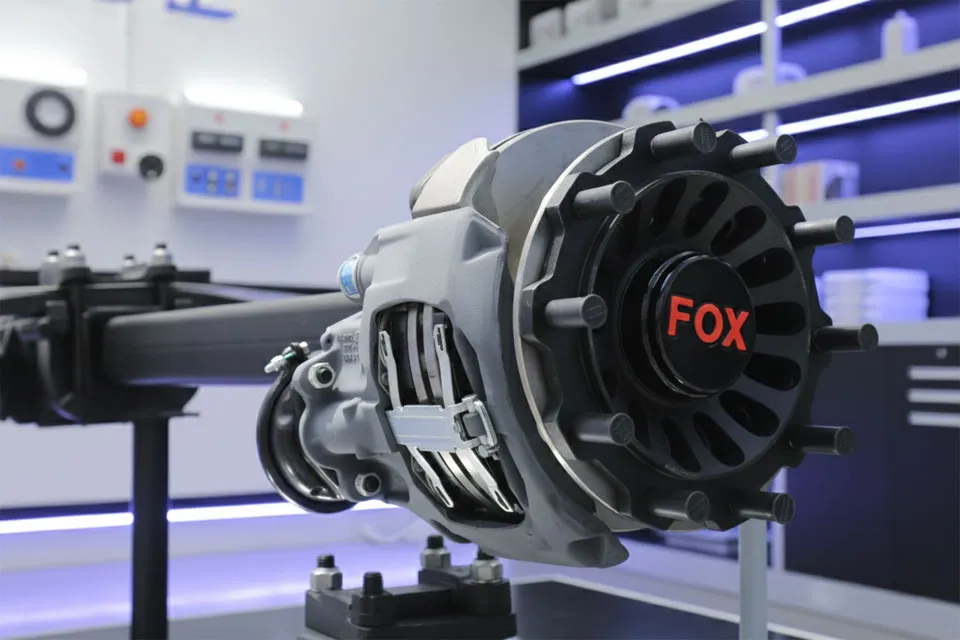
Your Ultimate Guide to Trailer Axle Types and Technical Specs
Trailer axles are the unsung heroes of heavy-duty transportation, directly impacting safety, load capacity, and operational efficiency. Choosing the wrong axle type can lead to costly downtime and compromised performance.