


Refrigerated Trailers: Temperature, Fuel & Cold Chain Efficiency
Optimize your cold chain: Explore advanced refrigerated trailer technology for superior temperature control and unmatched fuel efficiency.
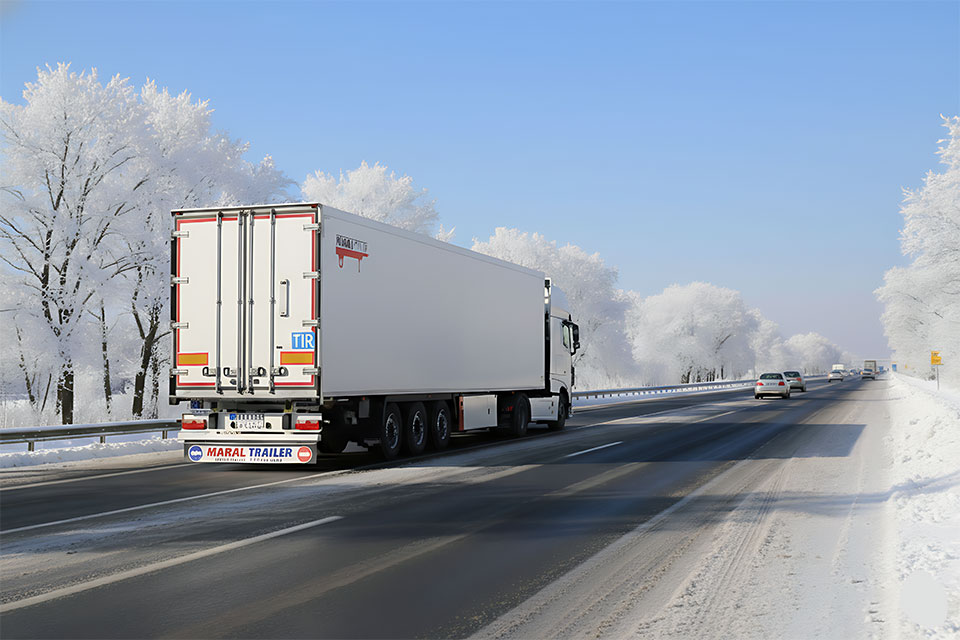
Temperature Integrity: The Foundation of Cold Chain Success
Maintaining a consistent, precise temperature is paramount to preventing spoilage, contamination, and regulatory non-compliance. Trailer design plays a much larger role than the refrigeration unit (TRU) alone.
A. Advanced Insulation Technology
The biggest factor in thermal stability is the insulation. Modern reefers use:
- Polyurethane Foam (PUF): High-density PUF injected into the walls, roof, and floor minimizes thermal bridging. High-quality foam is essential, as degradation over time significantly reduces thermal performance.
- Airtight Construction: Sealing all seams, joints, and door openings with high-grade gaskets is crucial. Even minor air leaks can allow warm air and moisture infiltration, creating "hot spots" and dramatically increasing the workload on the cooling unit.
B. Airflow Management Systems
Effective temperature integrity relies on the circulation of cold air:
- Ducting and T-Floors: Modern trailers use a T-shaped aluminum floor that allows air to flow freely from the nose of the unit to the rear. Air ducts often run along the ceiling, ensuring the entire load receives consistent cooling and preventing temperature stratification.
- Bulkheads and Load Stability: Utilizing high-quality insulated bulkheads for multi-temperature zones or simply for separating loads helps maintain precise control and prevents air mixing.
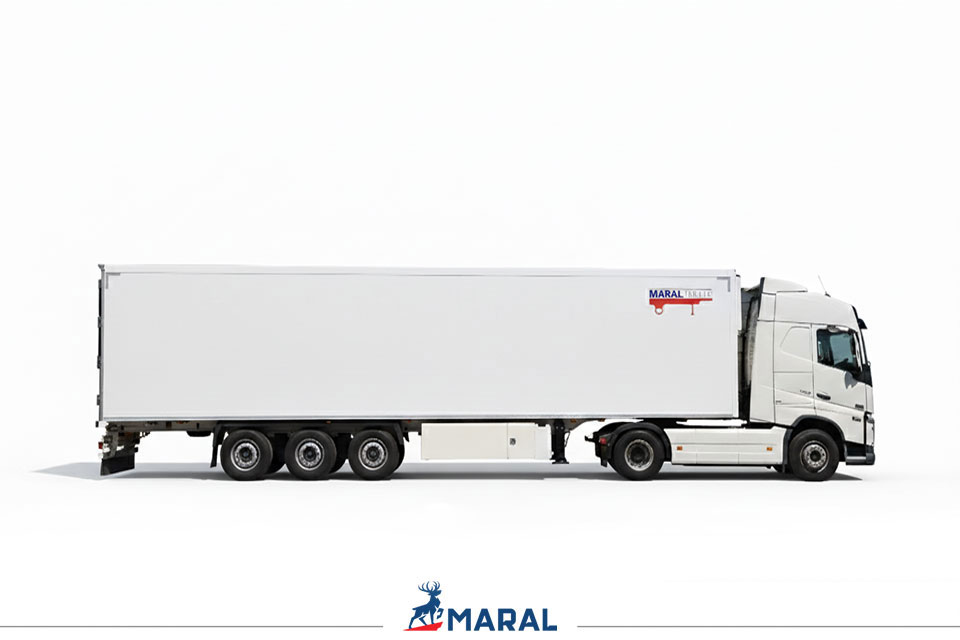
Fuel Economy: Reducing the Cost of Cooling
The operation of a refrigerated trailer (Reefer) introduces a substantial cost element: fuel consumption by the Trailer Refrigeration Unit (TRU). This unit, which operates independently of the tractor's engine, often accounts for a remarkable 20−25% of the vehicle's total fuel budget in long-haul operations. Therefore, the single most impactful decision for long-term operational cost reduction is selecting a trailer designed for maximum thermal efficiency.
A. Thermal Efficiency vs. Unit Duty Cycle
Thermal efficiency refers to the trailer's ability to resist the transfer of heat from the outside environment into the cargo area. This is primarily determined by the quality and integrity of the insulation barrier.
1. Reduced Duty Cycle: The Key to Saving Fuel
- Definition of Duty Cycle: The duty cycle is the proportion of time the TRU must actively run its diesel engine and refrigeration system to maintain the set temperature point (Set-Point).
- Insulation's Impact: A superior thermal barrier (high R-value insulation and airtight construction) dramatically slows the rate of heat gain. When the heat leaks in slowly, the interior temperature remains within the acceptable tolerance for a longer period.
- Fuel Savings: Consequently, the TRU engine is required to start and run less often and for shorter durations. This direct reduction in TRU operational time is the most significant factor in achieving fuel economy in cold chain logistics.
2. Lower Maintenance: Preserving Capital
- Wear and Tear: Every hour the TRU runs contributes to wear on its main components: the engine, compressor, belts, and hoses.
- Cost Reduction: By reducing the duty cycle, a thermally efficient trailer directly lowers the total accumulated run-hours on the refrigeration unit. This translates into extended intervals between major maintenance (e.g., engine oil changes, component replacement) and ultimately, a substantial reduction in overall maintenance costs and a higher residual value for the equipment.

B. Aerodynamics and Weight Reduction
Beyond the TRU's fuel consumption, the physical design of the trailer impacts the fuel consumed by the main tractor (truck). These factors are critical for overall fleet efficiency.
1. Aerodynamic Features: Cutting Through the Wind
- Drag Reduction: The largest force opposing a tractor-trailer at highway speeds is aerodynamic drag (wind resistance).
- Side Skirts: These panels mounted along the bottom sides of the trailer smooth the airflow passing underneath the trailer, significantly reducing the low-pressure turbulence that causes drag. They can offer fuel savings of 4% to 7%.
- Tail Fairings: Devices mounted to the rear doors (often folding or boat-tail designs) close the gap of air separation behind the trailer, reducing the "vacuum" effect and improving airflow separation.
- Impact on Reefers: Since reefer operations typically involve long-haul routes at high speeds, the cumulative fuel savings from these aerodynamic features are paramount to the bottom line.
2. Lightweight Materials: The Payload Advantage
Tare Weight: The tare weight is the weight of the empty trailer. Using high-strength, lightweight materials (such as specialized aluminum alloys for the chassis and internal components) minimizes this weight.
Impact on Fuel and Payload:
- Tractor Fuel Economy: A lighter overall gross vehicle weight requires less engine power to accelerate and maintain speed, leading to measurable tractor fuel savings.
- Maximum Payload: Reducing the tare weight directly increases the available legal payload capacity. This means the operator can transport more product per trip, improving the efficiency ratio of cargo moved to fuel consumed, and thus maximizing profitability.
The Maral Sanat Javid Advantage in Optimized Cold Chain Transport
Maral Sanat Javid does not merely assemble refrigerated trailers (Reefers); the company engineers solutions that specifically address the dual challenge of temperature integrity and operational cost reduction in the cold chain. By integrating advanced materials with meticulous manufacturing processes, their approach guarantees superior thermal performance and lower Total Cost of Ownership (TCO) for operators.
1. Structural Engineering for Thermal Excellence
The core competitive advantage lies in the manufacturing quality of the trailer body itself, which acts as the ultimate thermal barrier:
- Advanced Sandwich Panel Construction: Maral Sanat Javid utilizes state-of-the-art sandwich panel technology where the internal and external skins (often fiberglass-reinforced plastic or FRP) are seamlessly bonded to a core of insulation. This process minimizes the chance of air voids or delamination, which are common points of failure in lesser quality reefers.
- High-R-Value Polyurethane Foam (PUF): They employ the latest generation of high-density Polyurethane Foam insulation, which offers the highest possible R-value (thermal resistance) per inch of thickness. This superior insulation drastically slows down heat transfer from the environment.
- Leak-Proof Panel Integration: Crucially, specialized manufacturing techniques are used to ensure the joints and seams where walls, roof, and floor meet are thermally bridged-free and airtight. This prevents the ingress of moisture and warm air, which are the main culprits behind temperature spikes and insulation degradation.
2. Operational Efficiency and Cost Management
By focusing on superior build quality, Maral Sanat Javid directly impacts the fleet's running costs:
- Minimized Heat Gain: Because the insulation and construction are of the highest standard, the rate of heat penetration into the cargo bay is minimal. This is essential for delicate cargo, ensuring minimal temperature variance and eliminating "hot spots" throughout the journey.
- Optimized TRU Performance & Fuel Economy: Lower heat gain means the Trailer Refrigeration Unit (TRU) experiences a significantly reduced duty cycle. The unit runs less frequently and for shorter durations, directly contributing to maximum fuel economy and lower greenhouse gas emissions.
- Enhanced Durability and Maintenance Savings: The robust, seamless construction and high-quality components reduce the risk of structural damage and seal failure. This leads to longer service life for the trailer and lower long-term Maintenance costs associated with panel and insulation repairs.
3. Compliance and Cargo Safety Assurance
The engineering commitment extends to meeting the global standards required for sensitive cargo:
- Regulatory Compliance (ATP Standards): Maral Sanat Javid's trailers are engineered to meet and often exceed stringent international certification standards, such as the Agreement on the International Carriage of Perishable Foodstuffs (ATP),ensuring regulatory compliance for sensitive pharmaceuticals and high-value food products.
- Maximum Product Safety: The combination of superior thermal stability and effective internal airflow management guarantees that the cargo arrives at its destination in perfect condition, thus protecting the client's investment and reputation.

In essence, Maral Sanat Javid delivers a cold chain asset where the trailer itself is a high-performance insulating vessel, maximizing the efficiency of the refrigeration unit and providing a reliable foundation for profitable and compliant logistics operations.
Conclusion
The cold chain is demanding, requiring equipment that excels in both thermal retention and operational cost reduction. By prioritizing advanced insulation, effective airflow management, and aerodynamic design, logistics providers can significantly reduce their operating expenses while guaranteeing maximum temperature integrity. Choosing a technologically advanced refrigerated trailer is not just an expense; it is a critical investment in efficiency, product safety, and long-term profitability.
Faq
Top Articles
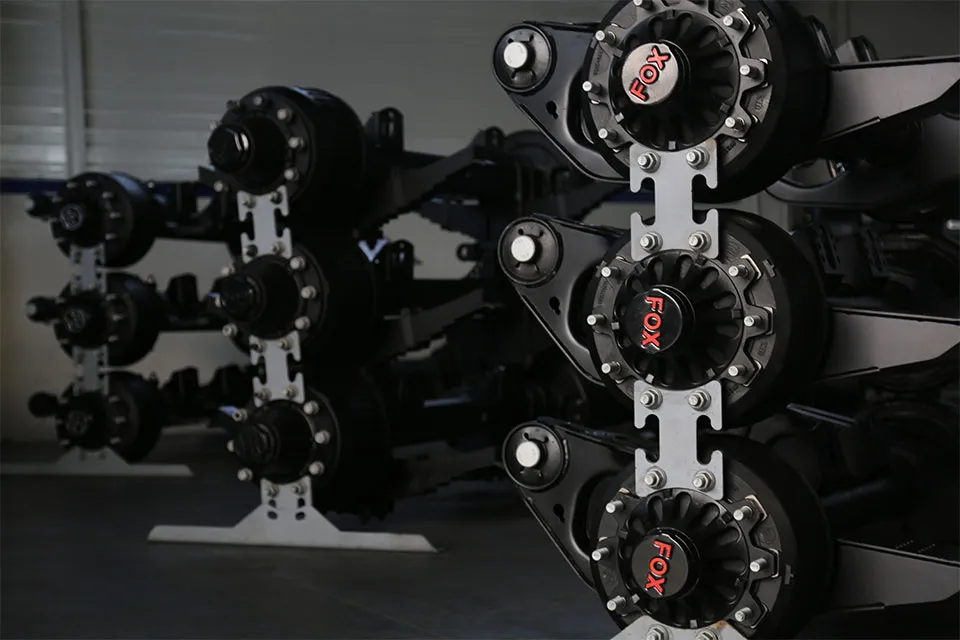
Modern Technologies Revolutionizing Trailer Axle Manufacturing
Modern trailer performance relies on advanced axles. We explore innovations in axle production that enhance fuel economy, reduce maintenance, and ensure superior road safety.
Brake Battle: Disc vs. Drum
Compare Disc Brakes vs Drum Brakes for heavy-duty vehicles. Understand pros, cons, and impact on performance, safety.
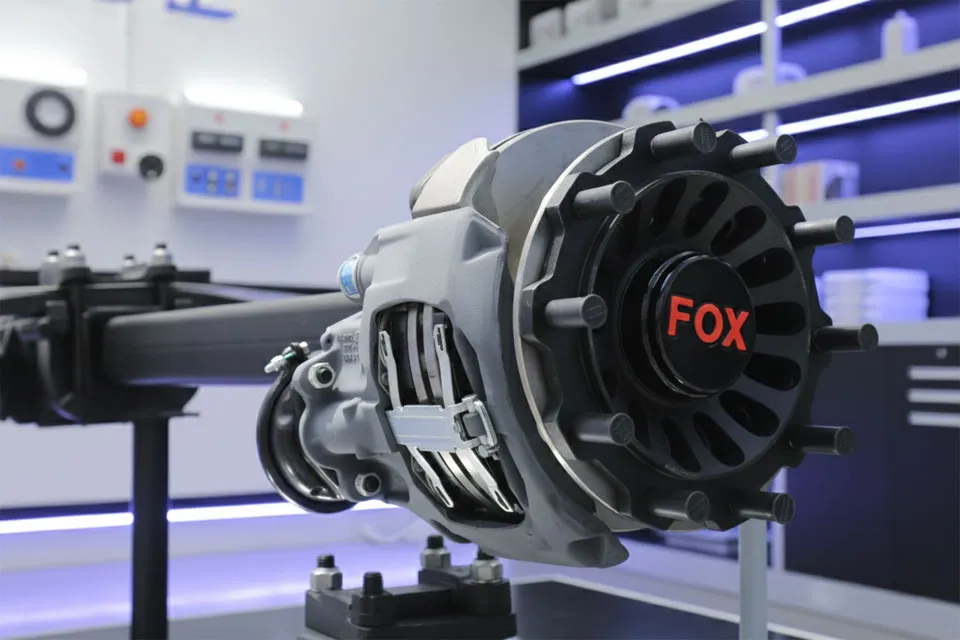
Your Ultimate Guide to Trailer Axle Types and Technical Specs
Trailer axles are the unsung heroes of heavy-duty transportation, directly impacting safety, load capacity, and operational efficiency. Choosing the wrong axle type can lead to costly downtime and compromised performance.