


Flatbed vs. Side Wall Trailer
The selection of the appropriate semi-trailer—specifically choosing between a Flatbed Trailer and a Side Wall Trailer—is a fundamental decision in commercial transport, directly affecting operational costs, loading speed, and cargo integrity.
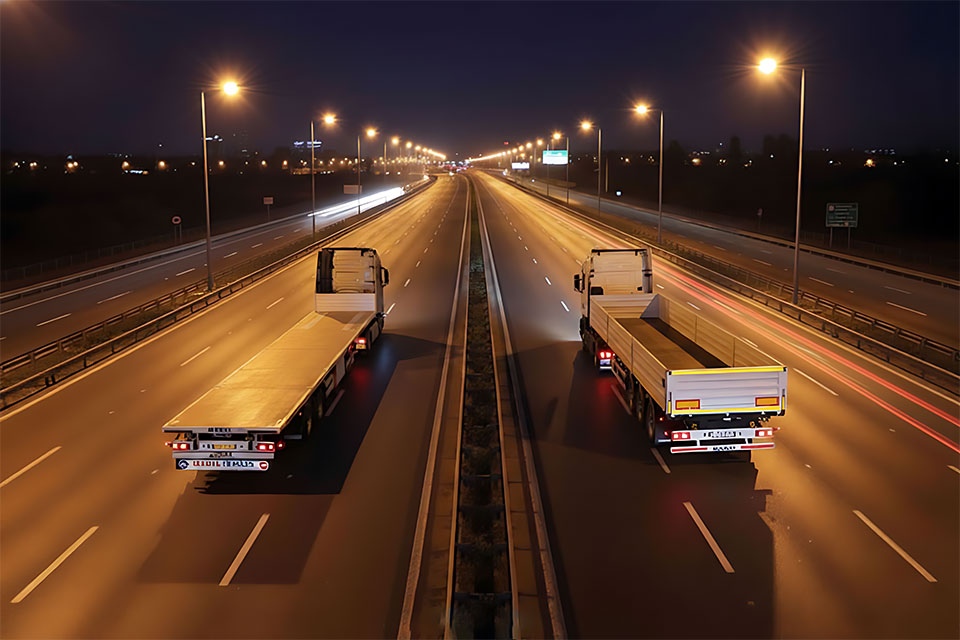
The Foundation of Fleet Success: Understanding the Flatbed and Side Wall Semi-Trailer Differences
In the high-stakes world of commercial heavy haulage, the semi-trailer is more than just an attachment; it is a specialized tool that dictates efficiency, safety, and profitability. For fleet operators, shippers, and logistics planners, the choice between the foundational Flatbed Trailer and the versatile Side Wall Trailer (often referred to as a Stake Trailer) is a pivotal one. While both are designed to transport materials too large for standard dry vans, their structural distinctions cater to vastly different cargo types, loading methodologies, and operational environments.
This comprehensive guide, presented by Maral Sanat Javid, breaks down the core differences, advantages, and ideal applications of each trailer type to help you determine the optimal solution for maximizing your cargo's security and your fleet's overall efficiency.
1. Flatbed Trailers: The Apex of Oversize Versatility
The Flatbed Trailer is defined by its simple, robust, and entirely open platform. Its design is engineered for ultimate accessibility, making it indispensable for specific industrial and construction loads.
1.1. Structural D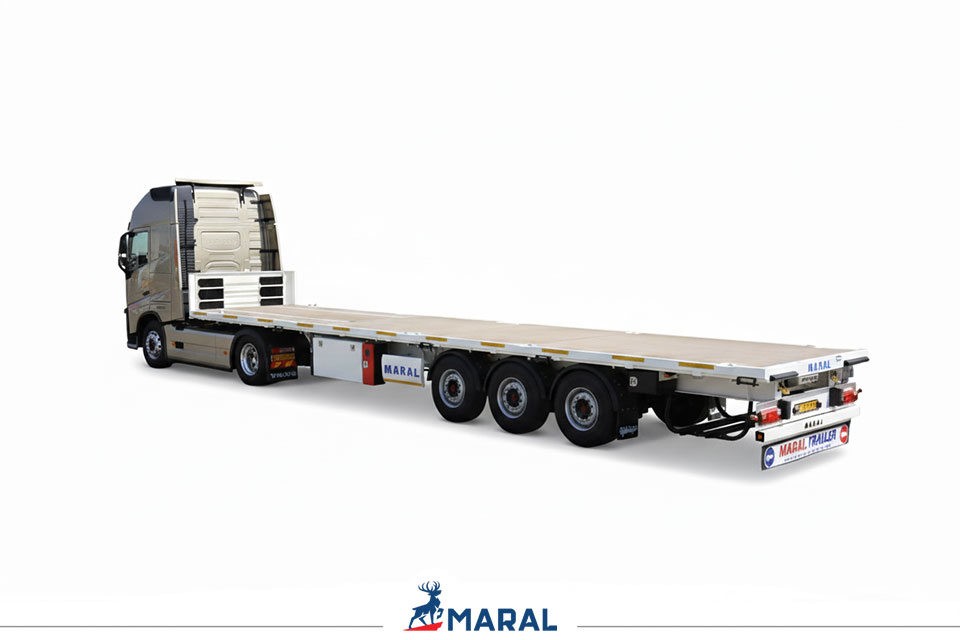 esign and Core Function
A flatbed consists of a sturdy deck with no fixed sides, roof, or rear enclosure. This open structure accommodates freight that is over-dimensional (oversized or overweight) and cannot be loaded via the rear door of an enclosed van.
- Optimal Accessibility: Cargo can be loaded or unloaded from the sides, top, or rear using overhead cranes, mobile hoists, or specialized heavy-duty forklifts.
- Capacity for Non-Standard Loads: It is the primary solution for transporting machinery, steel beams, large pre-fabricated components, industrial tanks, and long-span materials.
- Payload Resilience: Maral Sanat Javid flatbeds, built with high-grade materials like S500 steel, offer exceptional chassis strength and load distribution for concentrated, heavy payloads (often exceeding 33,000 kg for a standard three-axle configuration).
1.2. The Trade-Offs: Exposure and Securement
The flatbed's versatility comes with operational demands related to cargo protection:
- Weather Exposure: Cargo is fully exposed to rain, snow, and sunlight, requiring extensive tarping—a labor-intensive and time-consuming process.
- High Securement Standards: Load securement is entirely dependent on external equipment (chains, straps, binders). Strict regulatory compliance and frequent in-transit checks are mandatory to prevent catastrophic load shifts.
- Higher Theft Risk: High-value goods are visible and accessible, posing a security challenge compared to enclosed trailers.
2. Side Wall Trailers (Stake Trailers): Protected and Efficient General Freight Haulage
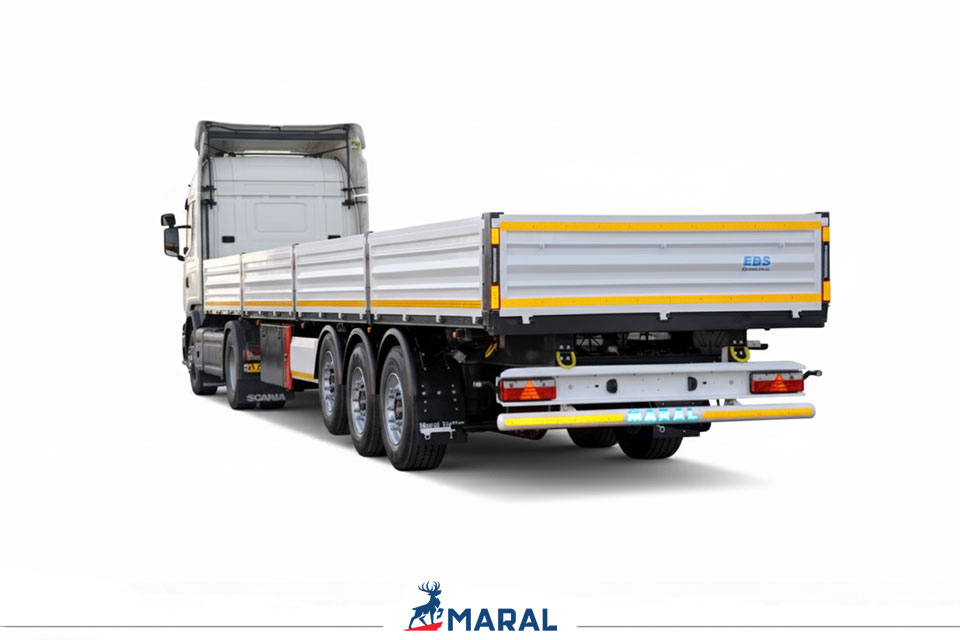
The Side Wall Trailer—often called a Stake Trailer or Stake Body—offers a hybrid solution. It retains the open-top advantage of a flatbed while incorporating protective side and end walls.
2.1. Structural Design and Cargo Containment
Side Wall Trailers feature fixed or removable vertical walls (typically between 1000mm and 1200mm high) positioned along the perimeter of the trailer deck.
- Enhanced Cargo Protection: The walls serve as a crucial containment barrier, preventing lateral load shifting and spillage of bulk or loose materials (e.g., gravel, sand, cement bags, or packaged agricultural products).
- Simplified Securement: The walls inherently secure the bottom half of the load, significantly reducing the time and complexity associated with chaining and strapping general palletized freight.
- Efficiency for Multi-Stop Logistics: They are highly valued in distribution and construction logistics where multiple stops require repeated, easy access to cargo from the side via forklift once the side stakes or walls are lowered or detached.
2.2. Operational Limitations
The wall structure, while offering protection, introduces limitations:
- Restricted Loading Access: The presence of the walls can impede the use of very large overhead cranes or restrict the handling of loads that are wider than the trailer's interior wall span.
- Height Constraint for Oversize: While better than a dry van, loads that significantly exceed the height of the side walls require specialized permits and meticulous securement to prevent movement over the top of the barrier.

3. Comparative Analysis: Flatbed vs. Side Wall
|
Feature |
Flatbed Trailer |
Side Wall Trailer |
The Optimal Choice for |
|
Cargo Versatility |
Excellent. Ideal for wide, tall, and irregularly shaped cargo. |
Good. Best for palletized, bagged, or non-fragile bulk materials. |
Versatility |
|
Cargo Protection (Containment) |
Low. Requires full external securement and weather protection (tarping). |
High. Walls prevent lateral movement and spillage. |
Protection |
|
Loading Method |
Overhead Crane, High-capacity Forklift. |
Forklift (Side/Rear), Manual Loading. |
Loading Efficiency (General) |
|
Operational Speed |
Slower due to intensive securement and tarping. |
Faster due to inherent load containment. |
Trip Turnaround Time |
|
Risk Profile |
Higher risk of load shift or theft. |
Lower risk of minor load shift and spillage. |
Safety and Security |
4. Conclusion and Strategic Selection
Choosing between a Flatbed and a Side Wall Trailer requires a clear assessment of your transport profile.
Select the Flatbed Trailer when your primary operations involve oversized loads, heavy industrial equipment, or materials that demand zero restriction on loading dimensions or angle. This choice prioritizes ultimate flexibility.
Select the Side Wall Trailer when your primary operations involve high volumes of general freight, palletized goods, construction materials (e.g., bricks, sand), or agricultural commodities, where load containment, reduced securement time, and protection from minor weather are paramount.
As a leader in the trailer industry, Maral Sanat Javid manufactures both types to the highest international standards, ensuring that whether you choose versatility or security, your fleet is equipped with durable, high-performance hauling solutions.
Faq
Top Articles
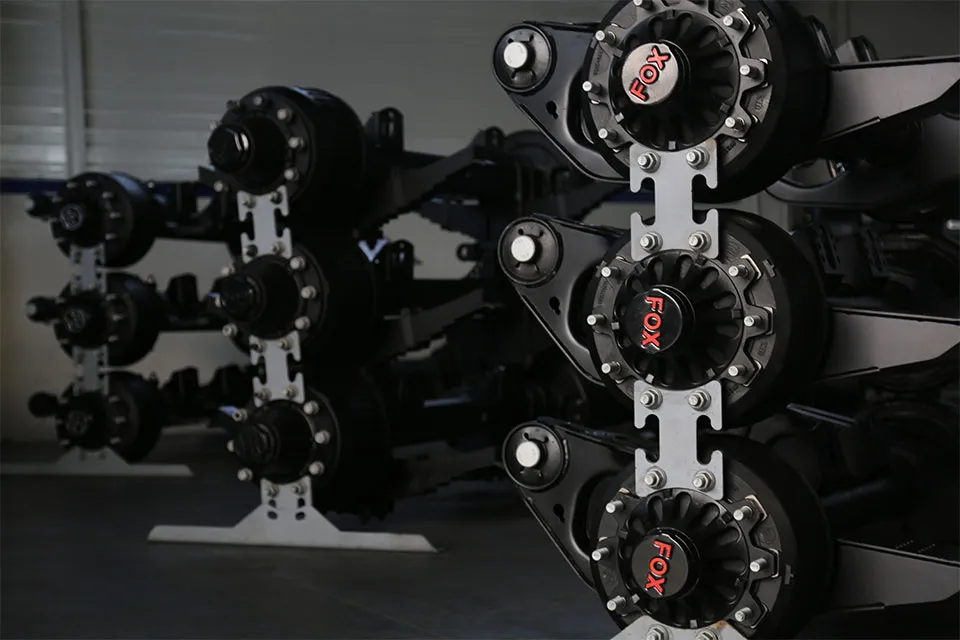
Modern Technologies Revolutionizing Trailer Axle Manufacturing
Modern trailer performance relies on advanced axles. We explore innovations in axle production that enhance fuel economy, reduce maintenance, and ensure superior road safety.
Brake Battle: Disc vs. Drum
Compare Disc Brakes vs Drum Brakes for heavy-duty vehicles. Understand pros, cons, and impact on performance, safety.
Your Ultimate Guide to Trailer Axle Types and Technical Specs
Trailer axles are the unsung heroes of heavy-duty transportation, directly impacting safety, load capacity, and operational efficiency. Choosing the wrong axle type can lead to costly downtime and compromised performance.