


Effective Semi-Trailer Cost Management: 7 Strategies for ROI
This comprehensive guide outlines seven critical strategies you can implement today to reduce expenses, optimize your fleet’s performance, and maximize the Return on Investment (ROI) of your valuable assets.

7 Strategies for Effective Semi-Trailer Cost Management & Maximizing ROI
In the highly competitive logistics and transport industry, the difference between profit and loss often comes down to efficiency. While the initial purchase price of a semi-trailer is significant, the true financial impact lies in its lifetime operational costs. For fleet managers, mastering effective semi-trailer cost management is not just an advantage—it’s a necessity. High-quality trailers, efficient processes, and smart technology are the pillars of a cost-effective fleet.
This comprehensive guide outlines seven critical, expert-vetted strategies you can implement today to drastically reduce operational expenses, optimize your fleet’s performance, and maximize the Return on Investment (ROI) of your valuable transport assets.
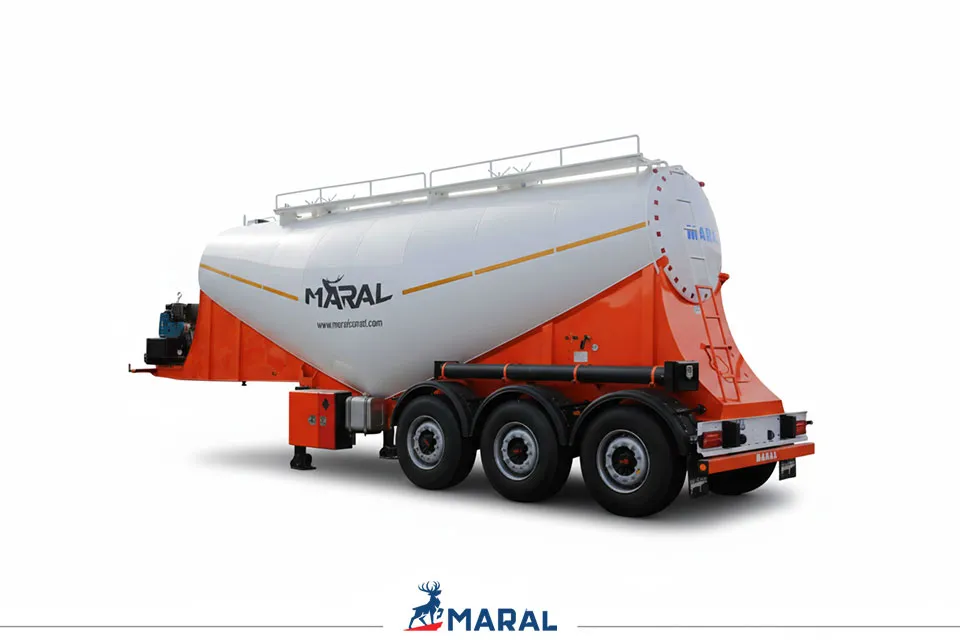
Prioritize Quality to Lower Long-Term Maintenance Costs
The initial investment in a semi-trailer might seem like the primary expense, but experts agree that the cheapest trailer upfront often proves to be the most expensive to own over its lifespan. Low-quality trailers, built with inferior steel or subpar components, require more frequent and costly emergency repairs, leading directly to significant, unbudgeted trailer downtime.
- The Maral Advantage: Built for Durability and Low TCO Investing in high-quality, durable semi-trailers—like those manufactured by Maral Sanat Javid—ensures superior structural integrity, utilizing robust chassis designs and certified, superior components (e.g., axles, landing gears, and braking systems from top international suppliers). This quality assurance translates into reduced corrosion, fewer structural failures, and a significantly diminished need for unexpected fixes. This foundational investment is key to minimizing trailer lifecycle costs.
- Actionable Tip: Calculate the Total Cost of Ownership (TCO) Always look beyond the sticker price. Factor in expected lifespan, part replacement costs, resale value, and average annual maintenance hours. A trailer with a lower TCO, despite a higher initial price, will yield a greater profit margin. The formula for TCO must include: Purchase Price + (Maintenance Costs + Repair Costs + Fuel Costs) - Resale Value.
Embrace a Proactive, Predictive Maintenance Program
Reactive maintenance (fixing a breakdown after it happens) is an outdated, financially destructive model. Trailer downtime reduction is paramount; every hour a trailer sits idle costs the average fleet thousands of dollars in lost revenue and potential breach-of-contract penalties.
Key Focus Areas for Predictive Maintenance
- Suspension and Axle Health: Regular laser alignment and inspection of air springs to prevent uneven tire wear (Strategy 4).
- Braking Systems: Continuous monitoring of brake pad and rotor wear, including ABS and EBS system checks, to ensure peak safety and efficiency.
- Structural Integrity Checks: Annual NDT (Non-Destructive Testing) inspections on critical welds and stress points, particularly on flatbeds and tankers.
- Focus on fleet maintenance scheduling through computerized maintenance management systems (CMMS).
- Actionable Tip: Use telematic data (e.g., sensor inputs on vibration, temperature, and brake actuation) to establish a baseline and predict component failure before it occurs. Stick rigorously to manufacturer-recommended service intervals, validating warranty compliance.
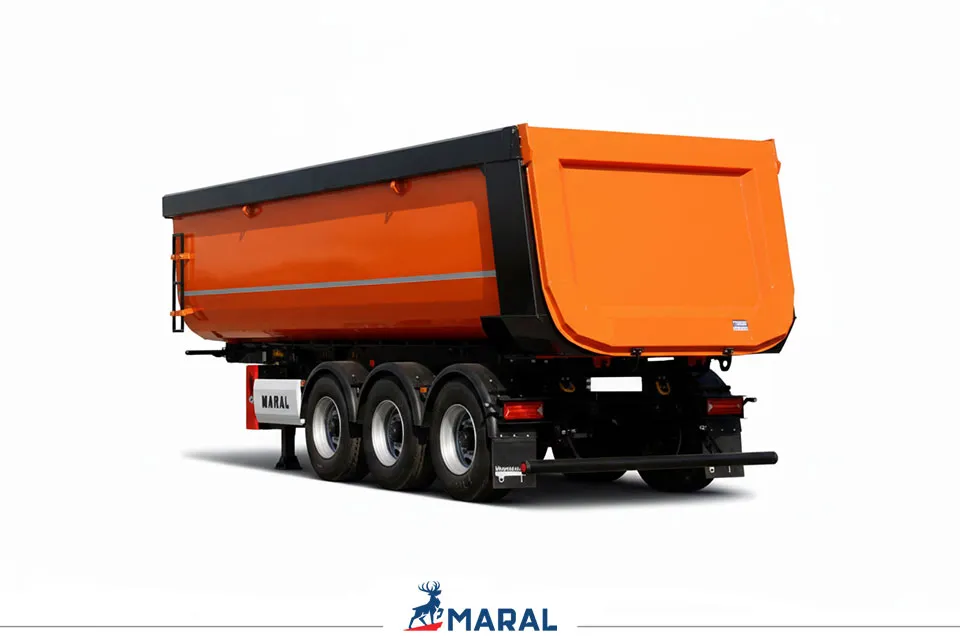
Fuel Efficiency through Aerodynamics and Weight Reduction
Fuel consumption is typically the largest variable cost for any transport operation. Even small, marginal gains in fuel consumption efficiency can yield massive savings across a large fleet over a year.
- Aerodynamics Reducing Drag: A significant portion of a tractor’s fuel consumption is spent overcoming air resistance. Utilizing certified trailer aerodynamic features—such as side skirts (which mitigate turbulence under the chassis), trailer boat tails (which reduce drag at the rear), and aerodynamic fairings—can deliver documented fuel savings of between 4% to 7%.
- Weight Matters Maximizing Payload Efficiency: Lighter trailers (often achieved through modern material engineering, such as high-strength, low-alloy (HSLA) steel, which is a hallmark of quality manufacturers like Maral Sanat Javid) allow for higher legal payload capacity and require less kinetic energy to pull. This directly contributes to superior trailer fuel economy and a lower cost-per-ton-mile.
Optimize Tire Management (The Rubber Meets the Road Cost)
Tires represent a substantial, ongoing, and often poorly managed operational expense. Poorly inflated, misaligned, or improperly rotated tires dramatically increase rolling resistance (impacting fuel consumption) and significantly accelerate wear rates.
- Inflation Systems and Monitoring: A tire that is under-inflated by just 10 PSI can increase fuel consumption by 1% and reduce tire life by up to 15%. Invest in Automatic Tire Inflation Systems (ATIS) or comprehensive Tire Pressure Monitoring Systems (TPMS) to continuously maintain optimal pressure.
- The Cost-Effective Choice: Where operations and regulations permit, consider high-quality, professional tire retreading programs. Retreading a casing is often 30-50% less expensive than purchasing a new premium tire, significantly lowering tire replacement costs.
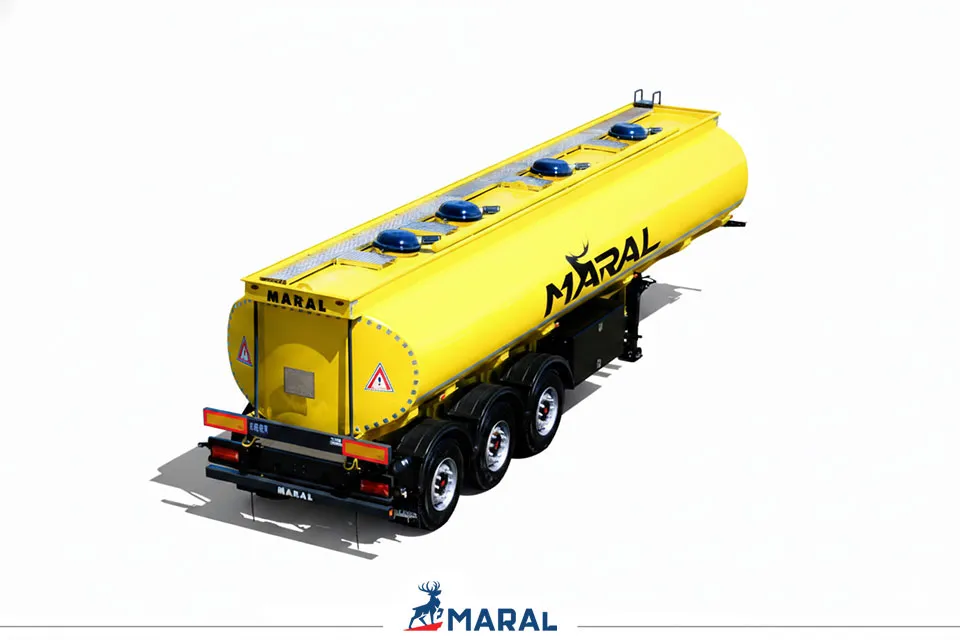
Maximize Payload and Cubic Capacity
The most efficient transport operation is one that maximizes the amount of revenue-generating cargo carried per trip. The core goal is to lower the cost per mile for the goods transported.
- Strategic Trailer Design Selection: Choosing the correct trailer specification is vital. For example, selecting low-bed designs for oversized equipment, or optimal height curtain-siders for palletized goods, allows for maximum volume utilization while adhering to legal height and weight restrictions.
- Load Distribution and Safety: Training drivers and loading crews on proper weight and load distribution is critical. Uneven loading causes premature wear on axles, suspension components, and tires, increasing maintenance costs and violating safety regulations. Correct distribution also minimizes the risk of expensive cargo damage.
Driver Training and Behavior Monitoring
The single greatest variable in semi-trailer cost management is the person behind the wheel. Driver habits directly influence fuel economy, brake wear, tire life, and accident rates.
- Telematics and Targeted Feedback: Implement advanced telematics systems to monitor key performance indicators (KPIs) such as harsh braking, excessive idling time, high-speed cornering, and over-speeding. This data enables managers to provide targeted training to improve driver efficiency and safe operation.
- Incentives for Excellence: Establish incentive and reward programs that recognize and financially compensate drivers for achieving measurable improvements in fuel-efficient driving techniques and maintaining low-wear operation metrics. This turns cost reduction into a shared goal.
Strategic Trailer Replacement Planning
While maximizing the useful life of an asset is important, holding onto an old, depreciating trailer too long invariably results in rapidly escalating maintenance costs, decreasing reliability, and potential non-compliance with new regulatory standards.
- Identifying the Economic Tipping Point: Identify the "economic tipping point"—the specific age, mileage, or operational cost metric when a trailer’s rising total maintenance costs consistently outweigh the cost of financing a new, more efficient, and technologically superior replacement.
- The ROI of Modernization: Modern trailers (especially those from forward-thinking manufacturers like Maral Sanat Javid) often feature superior, lighter materials, higher safety ratings, and advanced technological integrations (e.g., EBS, advanced suspension). This modernization significantly improves fuel efficiency and reduces maintenance, making the replacement ROI clear and measurable.

Conclusion
Mastering effective semi-trailer cost management is not a matter of luck; it requires a disciplined, holistic, and long-term approach that moves decisively beyond simply finding the cheapest option. It demands strategic investment in quality equipment, rigorous preventative maintenance schedules, and continuous optimization of operational and human practices. By implementing these seven data-driven strategies, you can transform your fleet from a major expense into a highly reliable, efficient, and profitable asset, securing your competitive edge in the global transport market.
Ready to reduce your fleet's long-term operational expenses?
Choosing the right partner for your equipment is the foundational first step toward superior cost control and maximizing efficiency. Maral Sanat Javid provides a wide range of durable and efficient semi-trailers—from specialized Tippers to robust Flatbeds—all built with the quality components needed to minimize downtime and maximize your ROI.
Explore our full range of specialized trailers and find the perfect match for your operation's needs:
- See Our Diverse Flatbed Trailers
- Discover Our Hydraulic Low-Bed Trailers
Faq
Top Articles
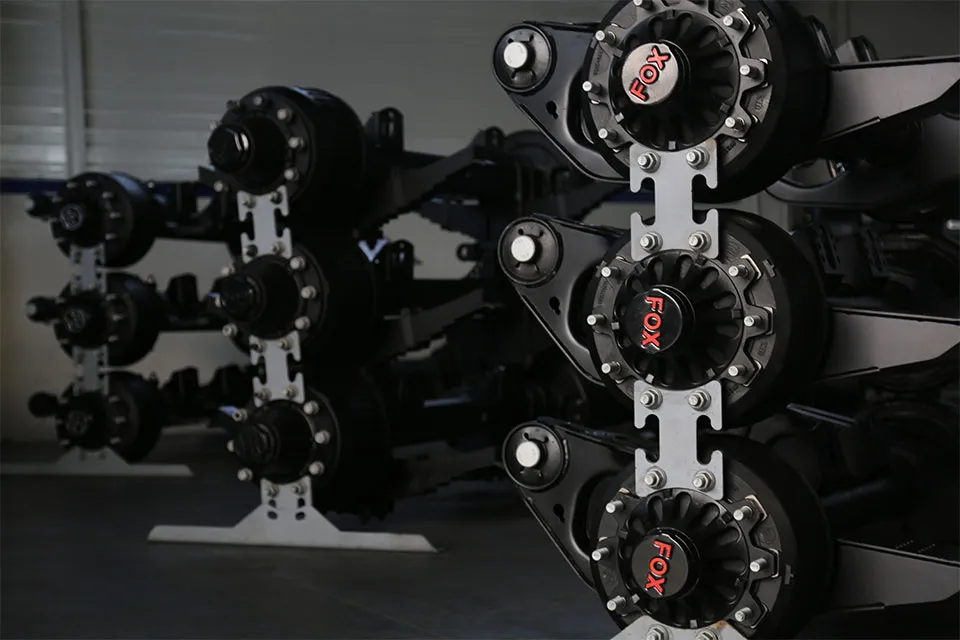
Modern Technologies Revolutionizing Trailer Axle Manufacturing
Modern trailer performance relies on advanced axles. We explore innovations in axle production that enhance fuel economy, reduce maintenance, and ensure superior road safety.

Brake Battle: Disc vs. Drum
Compare Disc Brakes vs Drum Brakes for heavy-duty vehicles. Understand pros, cons, and impact on performance, safety.
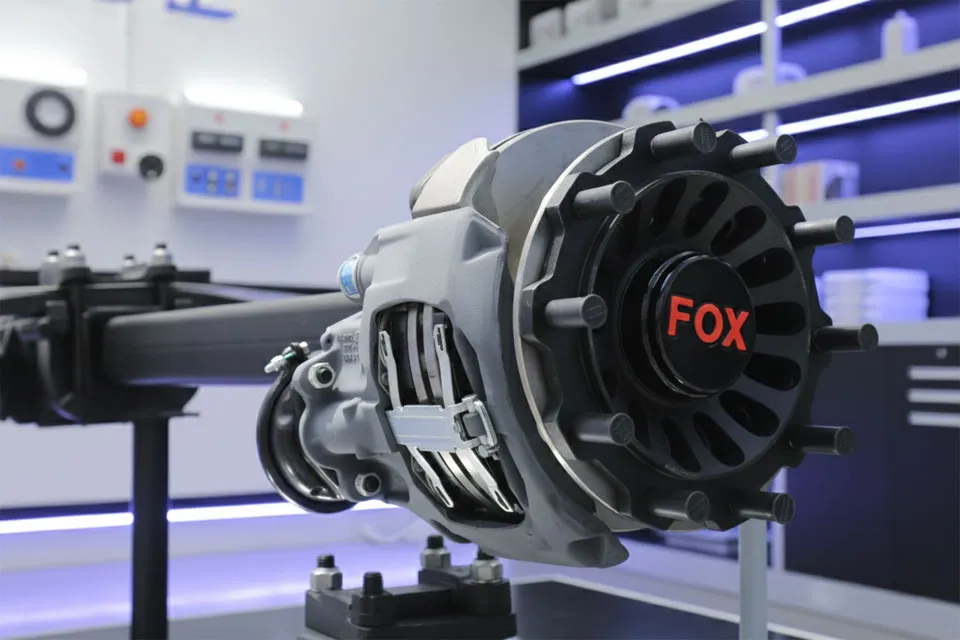
Your Ultimate Guide to Trailer Axle Types and Technical Specs
Trailer axles are the unsung heroes of heavy-duty transportation, directly impacting safety, load capacity, and operational efficiency. Choosing the wrong axle type can lead to costly downtime and compromised performance.